








Aging may cause the need for professional assistance with once easy daily living tasks, however, it does not have to spell disaster to independence or personal dignity. Instead, professional senior care is the happy medium between nursing home care and entirely independent living. Senior caregivers stand in the gap—allowing seniors to stay in their homes but with just the right amount of additional support needed for safe, comfortable living when once easy tasks are no longer so easy, safe or practical.
Yet the benefits of having professional assistance go beyond merely halting the slide into nursing home care. Many families fail to recognize just how safety and quality of life can be increased with caregivers providing recommended support that doesn’t primarily focus on medical needs but instead, the practical realities of living that could make a senior in their own home thrive instead of floundering.
Safer, More Comfortable Movement and Mobility
Avoid Falls With Professional Support
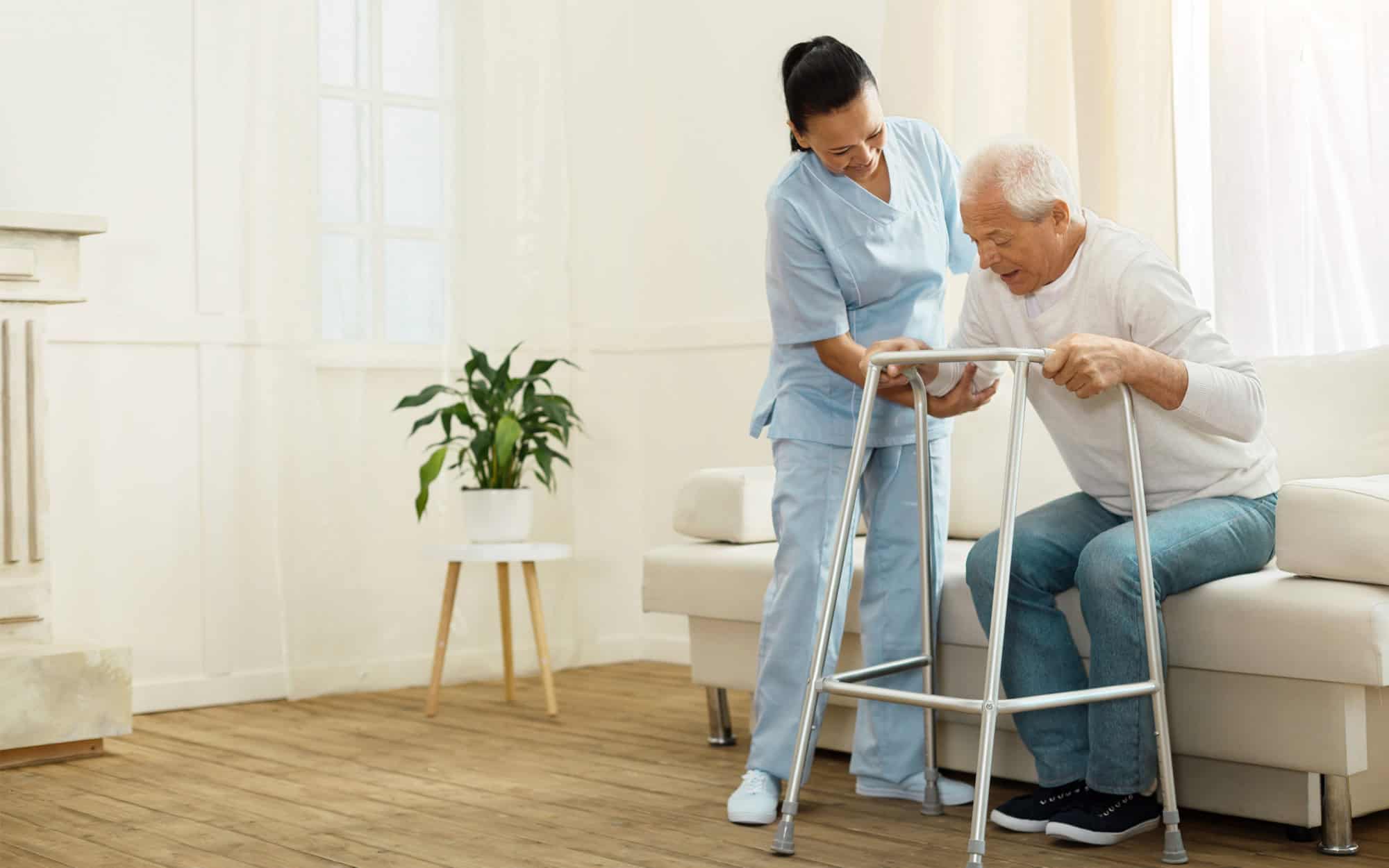
When it comes to senior independence, falls are the number one concern that jeopardizes such autonomy. Yet, thankfully, most falls are preventable. For example, caregivers know how to walk with someone, help them move from room to room or from sitting to standing in a way that respects their dignity and avoids falling.
For example, a caregiver may help someone out of a chair so they don’t fall but they aren’t walking behind them every step as if they’re a babysitter. Instead, proper mobility assistance recognizes the skill set of the senior and provides just enough support for safety.
Professional Senior Care Services in Philadelphia encourage mobility assistance like this because they know what keeps seniors successfully moving without complications.
Bathroom Safety with Dignity
Bathroom activities are the most dangerous for a senior to participate in day-to-day, however, bathroom activities are also the most private and vulnerable. Professional caregivers understand how to prevent accidents while keeping dignity intact.
For example, a caregiver can assist someone into a shower and help them dry off while assessing any vestibular issues when it comes to proper clothes wearing. They can provide a bit of support on the toilet so someone doesn’t fall or stand by cautiously for an emergency should anything happen mid-activity.
Personal Care
Hygiene Help That Doesn’t Feel Awkward
It is normal for seniors to struggle without help in the hygiene department day-to-day due to taking more time due to reaching, bending and standing for long periods. However, they can feel embarrassed about intrusions as well. Professional caregivers alleviate these awkward feelings by helping seniors with hygiene, bathing and dressing without a large presence making them feel uncomfortable.
Instead, proper personal care assistance is aware of how certain people like to do things and adapt when they’re doing it wrong instead of completely upending their systems. Hair washing, clothing selection and daily hygiene reminders go a long way.
Medication Reminders and Health Assessments
Professional senior care won’t give medication or treatment but they will ensure it’s time for seniors to do so. In addition, they’re responsible for light health assessments as needed so complications do not arise. For example, if someone hasn’t eaten in a couple of days or they’ve been urinating more often than normal, professional caregivers know how to consult with family about such developments and follow up appropriately.
Household Assistance That Aids Independence
Light Household Help That Prevents Major Issues
Keeping a home clean is an important safety precaution for seniors but many lack the ability to do so—and thus becomes heavy, awkward, etc. Caregivers can step in with light housekeeping endeavors by vacuuming and washing clothes plus organization efforts that keep everything a senior needs within reach.
This means vacuuming so seniors do not trip; laundry so “clean” isn’t an option; bathroom cleaning so mold doesn’t grow; and kitchen maintenance so disgusting breeding grounds don’t form sicknesses.
Meal Planning and Preparation Assistance
Nutrition is crucial as we age but grocery shopping or meal preparation can be daunting roadblocks to those who know they’re not good for them. Professional caregivers help out with grocery shopping and meal prep but do not take over in the process.
For example, caregivers can plan meals for the week but allow seniors the opportunity to select meals according to dietary restrictions or ethical reasons (but not force them into meals they don’t enjoy) allows for nutritional adequacy but empowers independence.
The Companionship Factor
Companionship for Wellbeing
Surprisingly enough, social isolation plays an unfortunate role in negative health impacts for seniors—but professional caregivers can become companions who provide social interaction and boast practical benefits. A professional caregiver sits with seniors, works on projects with them and talks; just having someone who listens can go a long way.
But beyond being someone to communicate with, socialization promotes cognitive wellness and functioning; someone can note if memory is slipping or attitude has worsened—constant check-ins about health are possible.
Reconnecting Them to The Outside World
It’s common for seniors who once drove to lose access to their outside worlds—be it appointments, errands or classes. Professional caregivers can drive seniors wherever they need until they can secure their own arrangements.
Professional caregivers can prevent any potential depressive episodes where seniors hide away in their homes simply because they’re not able to get out anymore.
Creating Sustainable Long Term Solutions
Needs Change Over Time and So Can Care
One of the best things about professional care is that there are no stipulations; needs change over time which can be appreciated—even at immediate levels. What started as light household assistance could quickly morph into more personal care needs or mobility help if ever necessary.
Flexibility within professional care means family involvement/reduced responsibility does not require uprooting caregiver relationships—meaning caregivers remain trusted if the needs become greater instead of confusing anyone with new faces.
Supporting Family Caregivers
If families want to engage as much as they can but need help along the way, professional services are best as gap fillers. Caregivers can assess whether home alterations would need appropriate intervention or if no one sees certain red flags.
Professional senior care is there every step of the way—even providing respite for family caregivers when necessary so everyone gets a break when needed.
Professional Senior Care Transforms Daily Life
Professional senior care takes daily life and transforms it into safe and comfortable routines best suited for exactly the right amount of effort needed at safe levels that promote independence yet integrated acceptable safety at every turn.
Finding such services that champion support without overly suggested caregiving allows seniors to seamlessly transition into life as they’d want it—all while practical concerns are joined with family discussions that make loved ones safe and well cared-for without compromising the independence most seniors live for.