







Failing to keep your lab updated over time, you might fall behind. An upgrade of lab necessities is a careful process that requires planning and proper guidelines before the selection of new tools, and a flawless procedure can result in the enhancement of accuracy and safety, and the minimization of downtime and error. Quality decisions will facilitate everyday work and the more extensive projects. The preselection can be easy, and the preselection process can be made by performing simple preparations and basic research.
Evaluating the Present Equipment
Evaluating current tools and daily practices can highlight what is good and what is not, simplifying the upgrade process. Close observation can reveal many loopholes in performance or the unavailability of features, which may lead to delays or low levels of precision. A list of inventory with age, condition, and how often it is used will assist in deciding which devices to replace as a priority. This type of review may reveal obsolete equipment, such as old spectrophotometers or decaying centrifuges, that slow down activities. Knowledge of the place of each of the tools in workflows will indicate critical upgrades, which will enhance proper measurements and effective procedures. Understanding daily needs will influence more intelligent investments in equipment that serve as a complement to the lab work. New equipment will not only enhance productivity but will also be mistaken due to the lack of awareness.
Choosing a Dependable brand and models
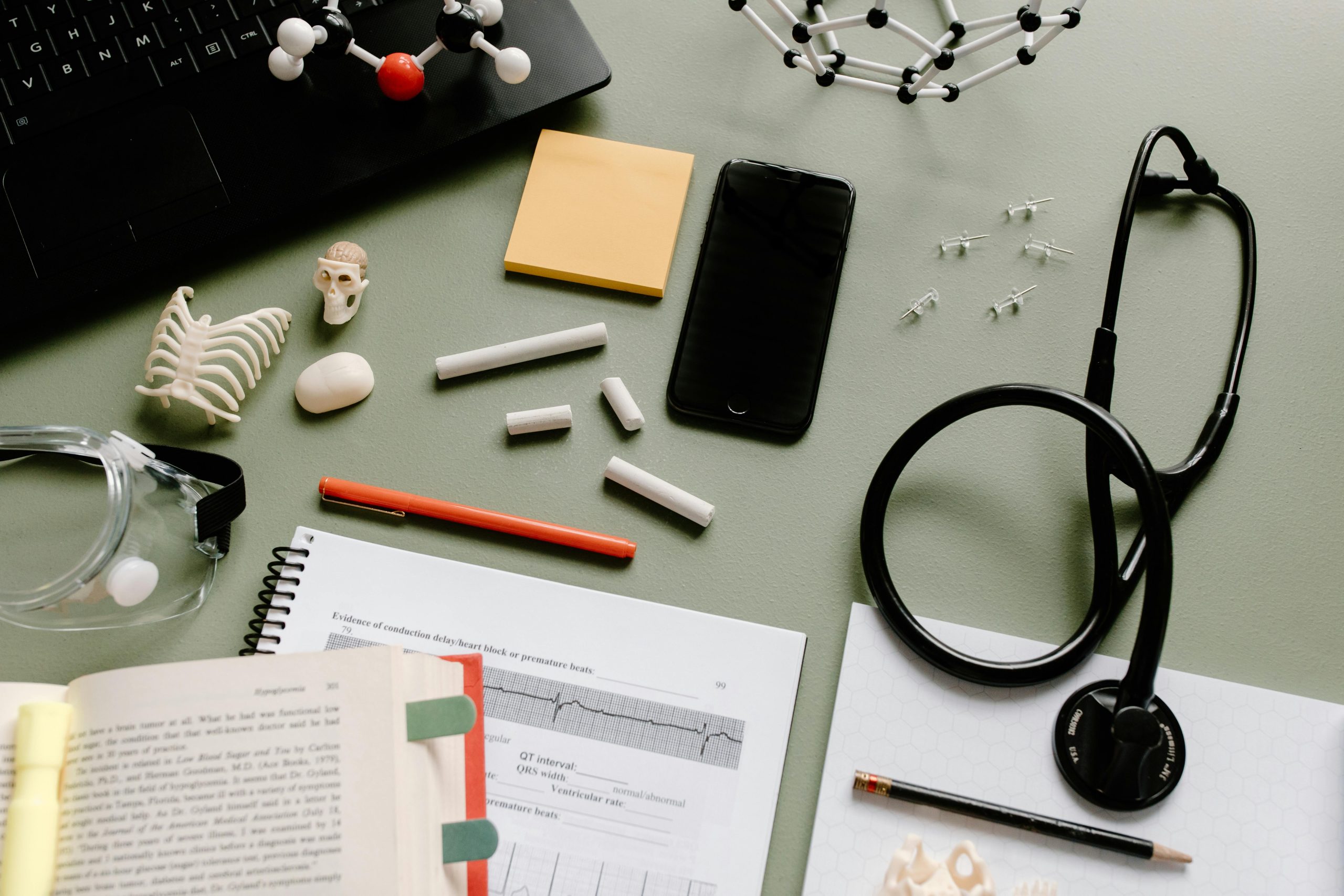
Selecting a few manufacturers and known models is merely a guarantee of long-term service and reliable output. The established brands tend to provide warranty, service agreements, and concise manuals that can provide help to teams in case of doubt. Market research of products includes finding technical specifications, user comments, and even the availability of local support. By providing a single representative instance, such as newer ECG machines in a clinical lab, it is possible to demonstrate how a focused update can increase accuracy as well as consistency. Quality choices will minimise unexpected failure, minimise repair costs, and keep the lab running steadily.
Alternative Planning
Having a well-defined budget with cost projections minimizes the cost of financial planning and is often transparent, eliminating surprises at the end of the budget period. Division of the costs in the equipment price, installation expenses, maintenance contract, and consumable supplies gives the full financial portrayal. One of the most common ways to obtain high-end equipment without struggling to afford other budgets is by doing research on financing options available, including lease agreements, grants, and vendor financing. Cost-benefit analysis can be given an easy justification in the form of the possible augmentation of throughput and a decrease in the number of errors. A well-prepared budget plan can also help the decision makers to implement affordable upgrades with quantifiable benefits and returns in the long run.
Smooth Integration
New instruments generally necessitate modifications to the layout and workflow in the laboratories to ensure the best efficiency and safety. Installation planning will be considered in detail, including planning of power requirements, allocation of space, as well as ventilation requirements to smooth up the setup process. By giving clear training to the staff on how to operate, calibrate, and follow safety procedures simple enough, one minimizes the errors and develops trust in working with new equipment. Practical application and brief practical manuals could assist team members in acquiring the knowledge within a reasonable timeframe, so as not to feel intimidated. The answer from manufacturer hotlines or in-house experts will promote inquiries and continuous improvement.
Maintenance and Support Plans
Consistent maintenance and timely service essentially keep a facility running at its optimal capacity and avoid site-down expensive maintenance, which is guaranteed by the technical support and maintenance of equipment. Developing a maintenance program with details on the calibration verification, software upgrades, and part replacement will facilitate uniform maintenance in terms of accuracy and safe operations. Easy availability of spares and consumables will enable the continual process of operation of essential instruments such as microscopes or pipettes. Maintenance and support systems will continue to maintain lab productivity and increase the life of valuable tools.
Conclusion
A lab upgrade will reinforce processes and build verification on every test and measurement. Innovation and efficiency will be assisted by fresh tools that meet the tangible requirements and, in such a manner, will enable the laboratories to achieve new heights of success with evident, reliable steps.
SOURCES