







Lately, a lot of dog owners have started talking about feeding their dogs raw food instead of the usual kibble. You might have seen it on social media or even heard about it from other pet owners. It’s becoming more popular, but that makes some people wonder: is raw dog food just a trend, or is it truly better for dogs?
Let’s break it down in a simple way, so it’s easier to understand what raw feeding is and whether it might be the right choice for your dog.
What Does “Raw Dog Food” Actually Mean?
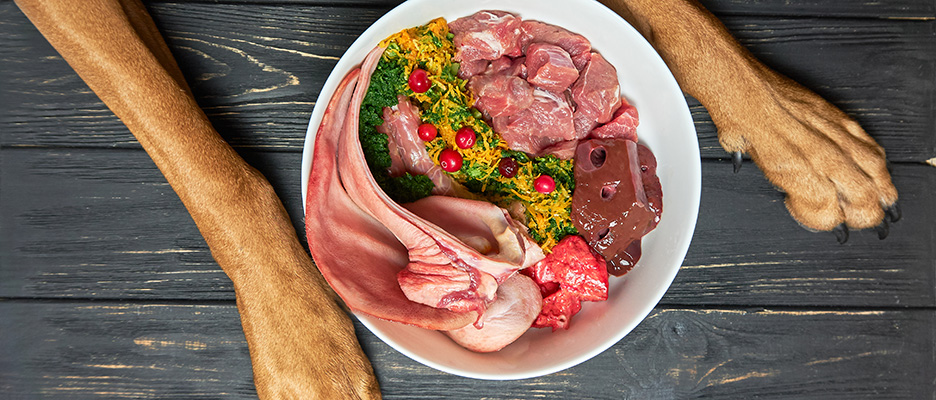
When someone says they feed their dog a raw diet, they usually mean meals made with raw meat, bones, and organs. Some versions also include vegetables, fruits, and even eggs. Unlike regular dry dog food, raw meals aren’t cooked or processed.
There are two main ways to do a raw diet. One is called BARF, which stands for “Biologically Appropriate Raw Food.” This one includes raw meat but also adds veggies and other extras to balance things out. The other is called the “Prey Model,” which tries to copy what a dog might eat in the wild—mainly meat, bones, and organs, without any plant-based foods.
Why Are People Switching to Raw?
Many pet owners say their dogs seem healthier and happier on a raw diet. They talk about things like shinier coats, smaller and firmer poop, better breath, more energy, and fewer skin problems. Some dogs also lose weight in a healthy way when switching to raw food because it’s less processed and full of natural ingredients.
That said, results can vary. Not every dog will show the same improvements. And some dogs might need time to adjust, especially if they’ve been eating kibble for a long time.
If you’re thinking about raw feeding but not sure where to start or what to include, this guide can help you know what to feed your pup and explain things step by step.
Are There Any Risks?
Yes, there are some risks to think about. Since raw food isn’t cooked, harmful bacteria like salmonella or E. coli could be present. Dogs usually have stronger stomachs than humans, but it can still be a problem—especially if the food isn’t stored or handled correctly.
Also, not all raw meals are balanced. Dogs need the right mix of protein, fat, vitamins, and minerals to stay healthy. If a raw diet doesn’t include everything they need, it could lead to health problems over time. This is why it’s important to either buy raw food from a trusted brand or make sure homemade meals are planned properly, often with help from a vet or pet nutritionist.
Is It Really Better Than Kibble?
That depends. Kibble is convenient, cheaper, and usually made to meet all a dog’s basic nutrition needs. It’s easy to store and lasts a long time. Plus, many dry dog foods today are made with better ingredients than they used to be.
Raw food, on the other hand, gives more control over what your dog eats. You know exactly what’s going into their bowl. It also skips the preservatives, fillers, and artificial stuff that’s sometimes in kibble.
But while some dogs thrive on raw diets, others might do just as well on high-quality dry or wet food. Every dog is different. Their age, breed, activity level, and health all play a part in what kind of diet is best.
What Do Vets Say?
Many vets are cautious about raw feeding. Their main concern is safety—both for the dog and the people who handle the food. Some vets also worry about owners creating unbalanced meals that don’t give dogs all the nutrients they need.
But there are also vets who support raw feeding when it’s done right. These vets usually recommend buying pre-made raw food that’s been carefully put together to meet nutrition standards. They also remind owners to handle raw meat carefully, clean surfaces, and wash hands afterward.
If you’re considering a raw diet, it’s always smart to talk to your vet first. They can help you decide if it’s a good fit for your dog and how to do it safely.
What About Puppies or Senior Dogs?
Feeding raw to puppies or older dogs can be tricky. Puppies are still growing and need the right balance of calcium and other nutrients. If they don’t get enough of the right stuff, their bones might not grow properly. Older dogs might have weaker immune systems or health conditions that make raw food harder to digest.
That doesn’t mean raw feeding is off-limits, but it should be done very carefully. In cases like these, it’s even more important to work with a vet or pet nutrition expert.
Is It Just a Trend?
It might seem trendy now because more people are talking about it, but raw feeding has actually been around for years. Long before kibble became popular, many dogs ate raw meat scraps or hunted their own food. So, while the style of feeding might feel new, the idea behind it is not.
What’s different today is that there are more options, more knowledge, and more products made specifically for raw feeding. That makes it easier for everyday pet owners to try it out in a safe and balanced way.
So, Is Raw Dog Food Right for Your Dog?
The answer isn’t the same for everyone. Some dogs really do better on raw diets. Others might do fine on kibble or wet food. The most important thing is that your dog gets the right nutrition for their body and lifestyle.
If you’re thinking about switching to raw, take it slow. Learn as much as you can, check your sources, and make sure your dog’s meals are balanced. Talk to your vet if you’re unsure. Your dog’s health should always come first, no matter what’s popular.
What You Should Remember
Raw dog food can be a healthy option for some dogs, but it’s not the best choice for every dog or every owner. There are benefits, like fewer ingredients and better control over what your dog eats. But there are also risks, like bacteria and unbalanced meals if you’re not careful.
Trends come and go, but your dog’s health lasts a lifetime. It’s okay to try something new, but always make sure you’re doing it safely and with the right information. A healthy dog is a happy dog—and that’s what matters most.