



Designing a kitchen that feels both stylish and functional starts with harmony between its three most dominant features: countertops, cabinets, and flooring. These elements cover the largest surfaces in the space, and when they clash, the entire room can feel disjointed. On the other hand, when they work together, they create an atmosphere that feels polished, welcoming, and timeless. Crafting that balance requires a thoughtful approach to color, texture, and finish, as well as an understanding of how each component interacts with the others. By focusing on these connections, you’ll be better equipped to build a kitchen design that not only suits your lifestyle but also feels visually cohesive. To explore options and spark inspiration, be sure to visit Kitchen Magic website.
Building a Foundation with Color Harmony
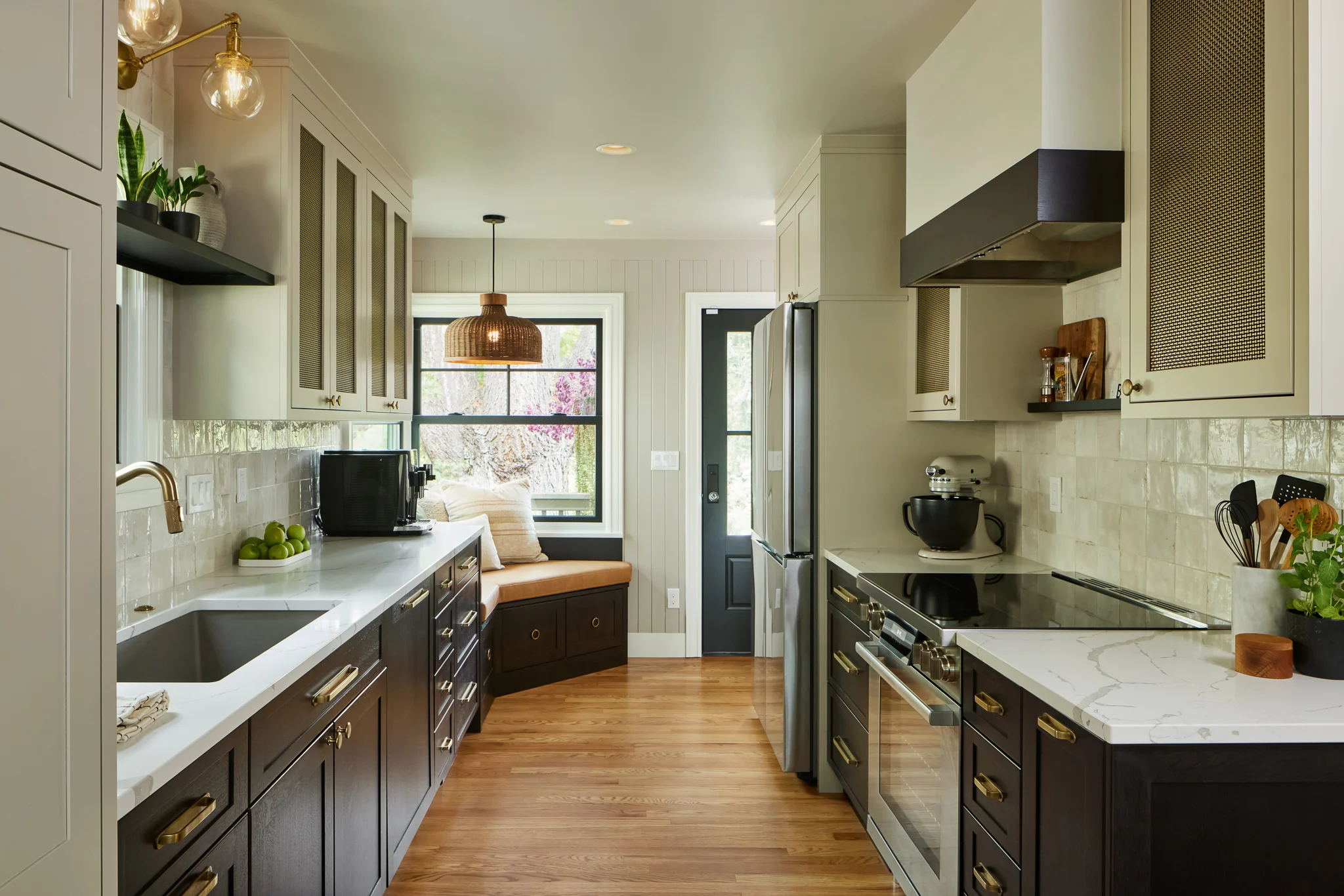
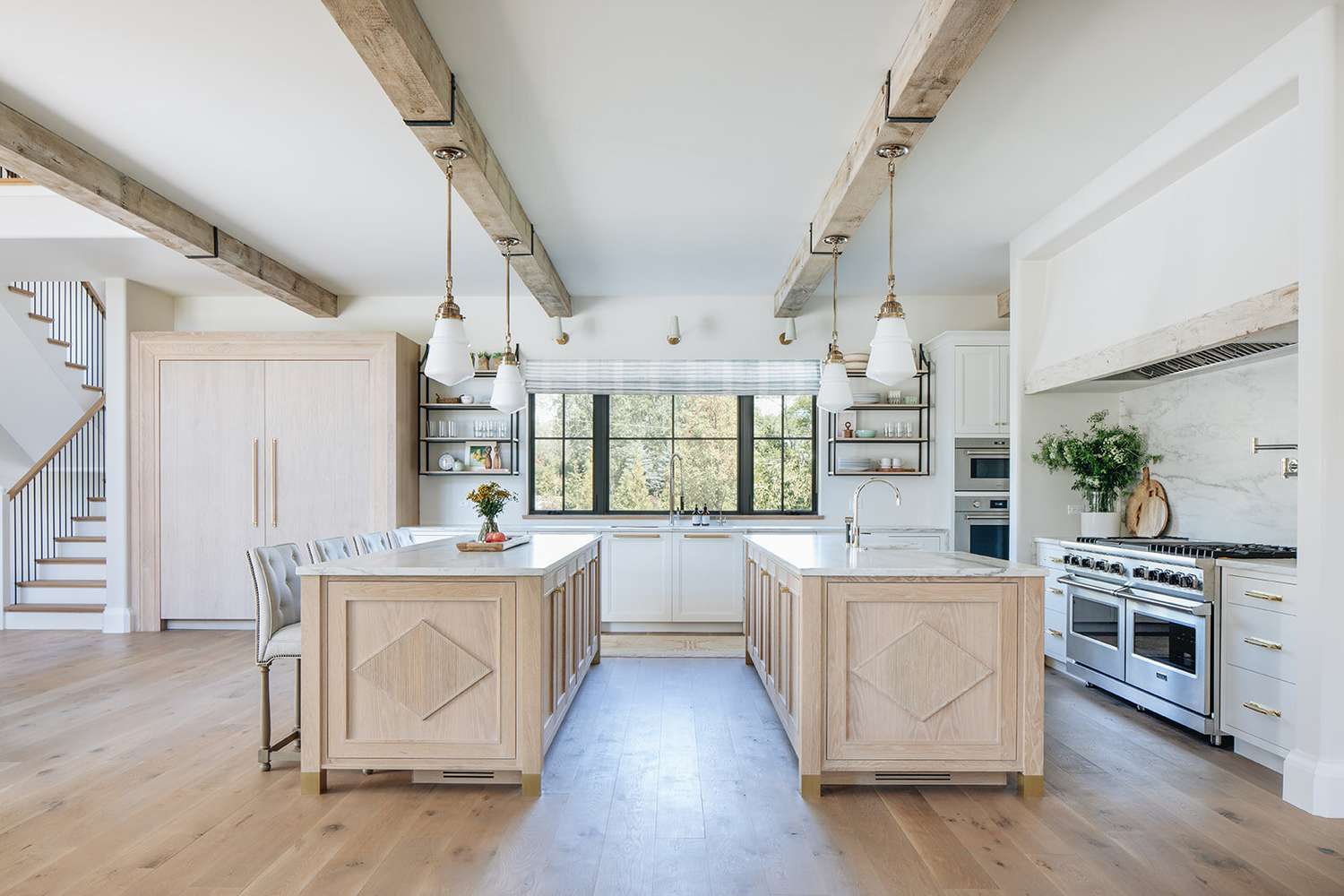
The first step to achieving a unified design is developing a color palette that flows naturally. This doesn’t mean every surface has to be the same shade—in fact, a room can look flat if it lacks variation. Instead, choose one dominant tone that anchors the room and then layer in complementary hues. For example, if you decide on warm, honey-toned cabinetry, you might pair it with a countertop in cream or beige, and balance the warmth with flooring in a slightly darker wood or tile shade.
Countertops often act as the central element in this process. Because they sit at eye level and cover a significant amount of surface area, they naturally become the focal point of the kitchen. Once you’ve selected a countertop material—whether it’s quartz, granite, Corian, or another option—you can draw on its veining, flecks, or undertones to guide your cabinet and flooring decisions. The subtle details in the stone or finish often provide just enough variety to inspire a perfectly matched set of complementary colors.
When it comes time to make flooring decisions, it’s best to consider not only style but also durability. Hardwood, tile, and laminate all offer unique textures and finishes that can influence the overall mood of the kitchen. For instance, a lighter floor can make a small kitchen feel larger, while a darker wood creates a more dramatic, grounded effect. Professional input can make this stage easier, which is why many homeowners consult licensed hardwood flooring contractors in High Point, NC, to ensure both the design and installation support the long-term look and performance of the space.
Creating Balance Through Contrast
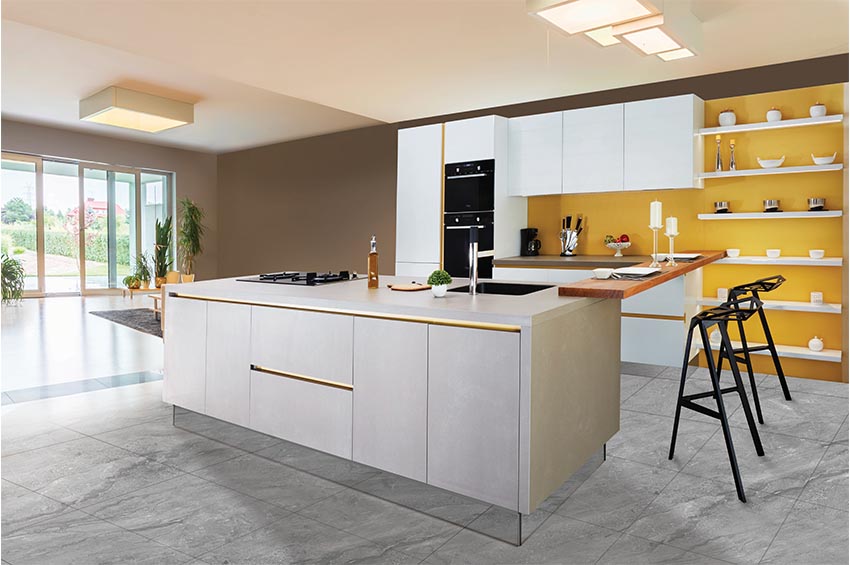
While color harmony is essential, incorporating contrast adds depth and visual interest. A kitchen with all light finishes may feel too sterile, while one with only dark surfaces might seem heavy. Instead, mixing light and dark tones strategically creates balance. For example, you might choose crisp white cabinets paired with a dark countertop, anchored by medium-toned floors. This type of layering allows each element to stand out while still contributing to the whole.
Contrast also works with texture. A smooth quartz surface can be beautifully offset by the organic grain of natural wood cabinets or the matte finish of stone flooring. Similarly, glossy cabinetry can play well against honed or leathered countertops, producing a tactile richness that elevates the design. By combining different textures, you create a space that feels multi-dimensional rather than one-note.
The Role of Lighting in Tying It All Together
Lighting is often overlooked in the design process, yet it can dramatically influence how countertops, cabinets, and flooring appear. Natural light brings out undertones that artificial light may not, while different types of bulbs can alter the way colors look at various times of day. For instance, warm bulbs may enhance the golden flecks in a granite countertop, while cooler lighting emphasizes gray or blue undertones.
Because lighting shifts the perception of color, it’s wise to view samples under the conditions your kitchen will experience. Place them together in the room and observe how they appear morning, afternoon, and evening. This extra step ensures your final choices will remain cohesive no matter the lighting scenario.
Simplifying for Longevity
Trends come and go, but simplicity often outlasts them. Choosing a timeless palette makes it easier to adapt your kitchen over the years with updated accessories, paint colors, or décor. Overly complex combinations—like pairing multiple cabinet finishes with heavily patterned flooring and bold countertops—can overwhelm the senses and date the room quickly. Instead, opt for a neutral base and layer in style through accents such as backsplashes, hardware, or light fixtures.
For example, a white or soft-gray cabinet paired with a subtle countertop pattern offers a clean foundation that accommodates a wide range of backsplash tiles, whether classic subway or trendy mosaics. The more understated your major surfaces are, the more freedom you’ll have to experiment with smaller, easier-to-update details.
Practical Considerations Beyond Design
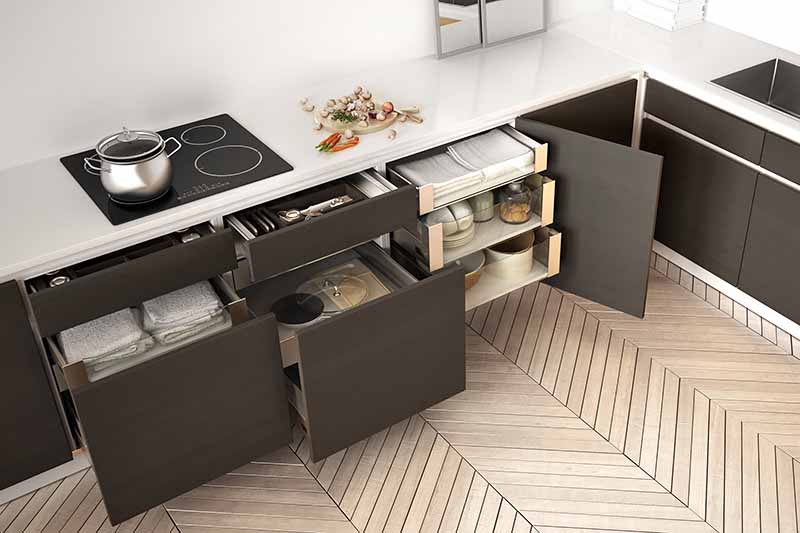
While aesthetics matter, practical aspects shouldn’t be ignored. Countertops should be durable enough to withstand heavy use, cabinets must provide efficient storage, and flooring needs to handle the traffic and potential spills of a kitchen environment. Maintenance is another factor: certain materials require sealing, polishing, or regular care to keep them looking their best. Balancing beauty with functionality ensures the kitchen remains as enjoyable to use as it is to look at.
Budget also plays a role in material selection. Fortunately, many options offer the look of high-end finishes without the steep cost. Engineered stone, laminates, and vinyl flooring have all advanced to the point where they can convincingly replicate natural materials while offering increased durability. Blending practicality with design vision ensures your kitchen not only looks stunning but also aligns with your lifestyle needs.
Bringing countertops, cabinets, and flooring into harmony doesn’t have to feel overwhelming. By starting with a clear color story, letting your countertop guide other choices, incorporating balance through contrast, and considering practical elements like lighting and durability, you can create a kitchen that feels both functional and visually cohesive. When executed thoughtfully, these design principles transform the kitchen into a space that reflects your personal style while standing the test of time.