




Lighting isn’t just about visibility. It can shape your mood, influence your energy, and affect long-term health. From morning sunlight that resets your biological clock to warm evening glow that signals relaxation, light is a daily cue that impacts your body and mind. That’s why choosing the right design for your home matters. If you want to create spaces that truly support your lifestyle, consider working with home renovation lighting designers near you.
The Connection Between Light and Mood
Our bodies are wired to respond to light. Exposure to natural sunlight plays a vital role in regulating serotonin, the hormone associated with happiness and focus. Without it, many people experience fatigue, sluggishness, and seasonal dips in mood. On the flip side, well-chosen artificial lighting can help maintain balance even when daylight is limited.
The secret lies in replicating natural light’s qualities: brightness during the day to keep you alert, and softer tones in the evening to support relaxation. By mimicking this natural rhythm indoors, you create an environment that boosts emotional well-being.
Timing and Brightness Matter
Lighting’s impact on mood isn’t just about color—it’s also about timing and intensity. Bright light in the morning helps wake up your body by suppressing melatonin while promoting energy and clarity. As the day fades, dimmer and warmer light eases your mind into rest, preparing you for better sleep.
Think of light as a natural rhythm keeper. When it’s in sync with your day, your body performs better. When it’s not—say, harsh light at midnight—it can disrupt sleep and leave you feeling off balance.
Color Temperature and Emotional Tone
Ever notice how a cool, crisp white light feels different from the warm, golden glow of a lamp? That’s color temperature at work.
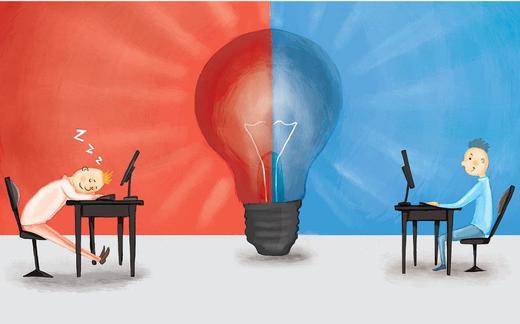
Cooler light, often in the blue spectrum, sharpens concentration and boosts productivity—perfect for workspaces. Warmer tones, closer to candlelight or sunset, create comfort, intimacy, and calm. Knowing how to use these tones in the right rooms can transform not just the look of a space but the way you feel in it.
Windows play a role here as well. Natural daylight enriches any space, but balancing it with coverings ensures control. Thoughtful window covering ideas for privacy help you enjoy natural light while protecting comfort and personal space.
Direct vs. Indirect Lighting
How light enters a room matters just as much as brightness and tone. Direct lighting, like a desk lamp, offers focus and clarity, while indirect lighting bounces off walls or ceilings to soften shadows and create a gentler atmosphere.
Layered lighting—combining direct and indirect sources—offers flexibility, letting you shift between energetic workspaces and soothing environments without needing major changes.
The Science Behind Light and the Brain
Light doesn’t just affect how a room looks—it interacts directly with your brain. Specialized retinal cells, called ipRGCs, are sensitive to light and send signals that regulate circadian rhythms. This means even a short burst of bright or blue-enriched light can alter your alertness and mood.
This science explains why harsh overhead “big lights” often feel draining, while soft, intentional lighting setups feel inviting and natural.
Lighting for Health and Well-Being
The right lighting can prevent more than just eye strain. In older adults, decreased light sensitivity can lead to sleep disruptions and even balance issues. Proper lighting design helps address these challenges, supporting better rest and safer movement around the home.
On the wellness side, people dealing with stress or mood disorders can benefit from lighting that enhances serotonin during the day and supports melatonin production at night. Lighting design isn’t just aesthetics—it’s a tool for health.
Why Lighting Design Deserves Attention
Too often, lighting is treated as an afterthought in home design. But its role in mood, health, and energy makes it one of the most powerful aspects of any living space. From layered ambient and task lighting to dynamic systems that adjust brightness throughout the day, thoughtful design creates an environment that supports both function and well-being.
If you’re looking to improve your home’s lighting, professional guidance makes all the difference. Collaborating with lighting designers ensures your spaces not only look beautiful but also align with your body’s natural rhythms.
Light as a Daily Influence
Lighting is more than a design choice. It shapes how you feel, how you sleep, and how you connect with your space. By aligning brightness, tone, and placement with natural patterns, you transform ordinary rooms into restorative environments.
Whether you’re enhancing a work-from-home office, designing a cozy living room, or seeking better rest, intentional lighting is key. Combine smart design with thoughtful additions like window coverings, and you’ll find your home not only looks better—but feels better too.