


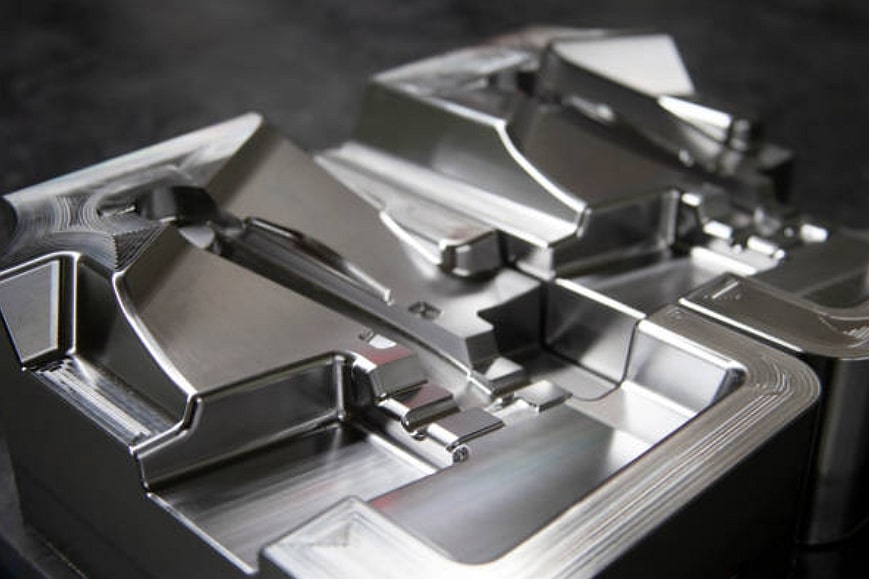
Ceramic injection molding is often the go-to choice when a project demands precision, strength, and complex geometries. It allows engineers to create parts that would be difficult or impossible to achieve with metals or plastics alone. But before moving forward with this process, there are essential questions you need to ask to avoid setbacks and wasted costs. From verifying design suitability to ensuring proper quality controls, the right preparation makes all the difference. This guide walks you through the key areas to consider before committing to a full production run. For a clear introduction to how the process works, you can also review the wundermold.com/ website.
Is My Part Suitable for Ceramic Injection Molding?
Not every design is compatible with ceramic injection molding. Thin walls, small internal channels, or uneven transitions may require design modifications to prevent issues during molding and sintering. It is important to discuss early on whether your geometry can be produced efficiently or if slight adjustments could improve manufacturability. By clarifying this upfront, you avoid discovering late-stage issues that can derail production schedules and budgets.
What Material Is the Right Fit?
Alumina and zirconia are two of the most common materials for ceramic injection molding, but they behave differently under stress, heat, and chemical exposure. Your material choice depends on the end-use environment. Consider whether your part will need high hardness, wear resistance, biocompatibility, or strong electrical insulation. Talk with your supplier about performance data and whether they can provide certifications and traceability. Selecting the correct ceramic composition early helps ensure your part performs exactly as intended once it reaches real-world conditions.
What Is the Expected Timeline?
During the molding process, if you sustain an injury on the job or in a manufacturing environment, the reality is that your project’s timeline is not the only factor that matters — your health and protection matter too. That is why it is important to balance deadlines with safety. Tooling, material sourcing, sampling, and final production all take time, often longer than anticipated. Clear communication about development stages, sample approval, and inspection turnaround will help your team stay realistic. If workplace injuries ever become part of the equation, individuals often seek a workers compensation attorneys free consultation to understand their rights and protections.
What Will the Cost Structure Look Like?
Tooling is a significant up-front investment, while per-piece costs vary with batch size, cycle times, and yield rates. Asking about cost factors early helps you identify whether single-cavity or multi-cavity tooling is appropriate for your volume and budget. Be sure to request a breakdown that separates tooling, per-unit price, inspection, and packaging. Transparent estimates protect your project from unpleasant financial surprises later.
Can You Start With Prototypes?
For many projects, testing a prototype batch is critical before committing to full production. Some manufacturers offer bridge tooling or low-volume runs that utilize the same materials and sintering processes as those used in production. This gives you the chance to validate functionality, fit, and durability without investing in large-scale tooling too soon. Ask how quickly prototypes can be delivered, and whether adjustments to geometry or mold design can be made cost-effectively at this stage.
How Is Quality Assurance Handled?
Ceramic injection molding requires strict quality processes. Because parts shrink during sintering, precise measurements and statistical capability studies are essential. Ask whether your supplier provides dimensional inspections, density checks, and material certifications. For medical or aerospace applications, confirm that the supplier is compliant with relevant ISO or industry standards. Strong quality assurance ensures the parts you receive consistently meet your requirements.
What About Communication and Support?
Open communication with your supplier is just as important as technical know-how. Ensure you have a clear point of contact and receive regular updates throughout tooling and production. Weekly check-ins, shared project logs, or detailed inspection reports all help to build trust and ensure your project stays on track. A responsive partner will not only deliver parts but will also provide solutions and guidance when unexpected challenges arise.
Choosing the Right Partner
The final step is selecting a partner who can deliver not just quality parts but also a smooth experience. Look for experience in your industry, evidence of problem-solving, and the ability to scale production as needed. A trustworthy manufacturer will support you from the initial design review through final inspection and shipping. They should also protect your intellectual property and handle sensitive data responsibly.
When you take the time to ask the right questions — about design suitability, material choice, schedules, costs, prototyping, and quality control — you set the foundation for success. Ceramic injection molding is a powerful technology, but its success depends on preparation, collaboration, and the strength of your manufacturing partnership.