



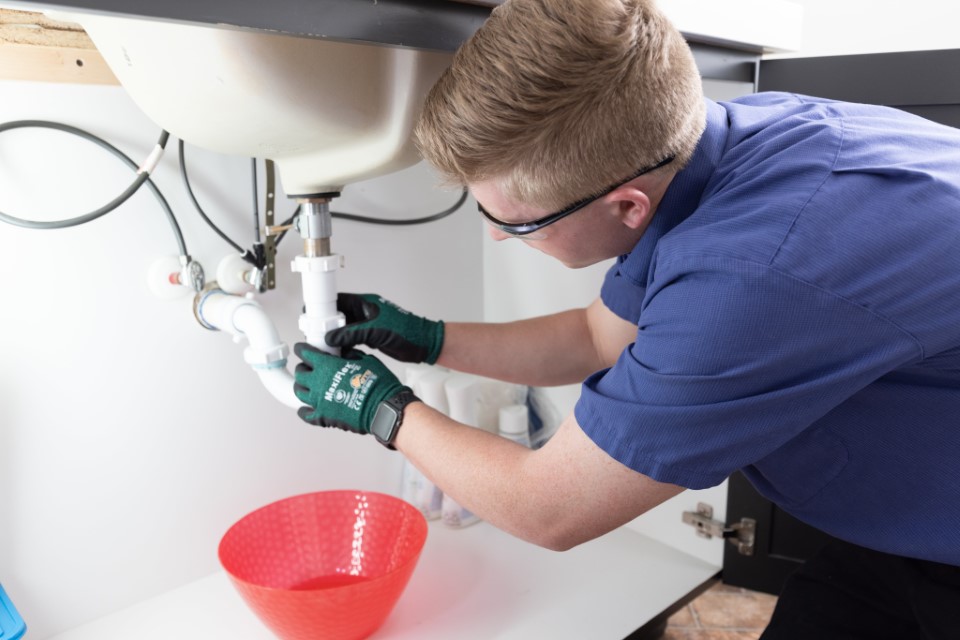
Plumbing issues have a way of sneaking up on homeowners. One moment everything seems fine, and the next you’re dealing with leaks, foul smells, or rising water bills. Knowing when to call in professional help can save you money, protect your property, and keep daily life running smoothly. The sooner you recognize the warning signs, the easier it is to get things fixed before they spiral into costly repairs. And if you’re already struggling with stubborn clogs, don’t wait too long to seek reliable help with blocked drains.
1. Unexplained Increase in Water Bills
If your water usage hasn’t changed but your bill suddenly spikes, you could be dealing with a hidden leak. Small leaks behind walls or under flooring often go unnoticed until damage has spread. Watch for damp patches, moldy odors, or subtle dripping sounds. Acting quickly can prevent structural damage and reduce wasted water.
2. Persistent Dripping Faucets and Running Toilets
A steady drip may seem harmless, but over time it wastes gallons of water and raises costs. Similarly, a toilet that never stops running often points to a worn flapper, faulty fill valve, or even high water pressure issues. If replacing parts doesn’t solve the problem, it’s time to get expert assistance.
3. Slow or Frequently Clogged Drains
A sluggish drain is more than just a nuisance. It can signal grease buildup, pipe misalignment, or even root intrusion in outdoor lines. Home remedies like plungers or drain cleaners may provide temporary relief, but if clogs keep coming back, the problem runs deeper. For field-ready tools and repair options, many professionals rely on resources from the blair supply site.
4. Water Backflow Problems
Backflow occurs when water reverses direction, potentially pulling contaminated water into your clean supply. This can be caused by failed prevention devices or sudden pressure drops. Because backflow affects health and safety, it’s not an issue to put off—professional inspection is essential.
5. Noticeable Drop in Water Pressure
Weak or inconsistent pressure can be caused by mineral buildup, leaking pipes, or corrosion. Beyond being inconvenient, these issues may shorten the lifespan of your plumbing system. If your showers have gone from refreshing to frustrating, it’s a clear sign that attention is needed.
6. Gurgling Sounds from Drains
When drains gurgle, it usually means air is struggling to escape the pipes due to a blockage or venting issue. Left unresolved, it can lead to complete backups. A plumber can restore proper airflow and eliminate future complications.
7. Strange and Unpleasant Odors
Sewer-like smells inside your home often indicate dried-out traps, blocked vents, or cracks in sewer lines. Beyond being unpleasant, sewer gases are a health hazard. If you notice these odors regularly, schedule a checkup right away.
8. Discolored Water
Brown, orange, or yellow-tinted water often signals rust or sediment in the pipes. While occasional discoloration after utility work may clear up quickly, persistent changes point to corrosion or deteriorating pipes. Professional testing will determine if you need a simple flush or more extensive replacements.
9. Hot Water Inconsistencies
If your hot water runs cold too quickly, takes forever to heat, or disappears completely, your water heater may be failing. Because water heaters involve electricity or gas, they require professional inspection to prevent safety risks.
10. Visible Water Damage
Stains on ceilings, damp drywall, or pooling around your foundation are urgent warnings. Even if water flow seems minor, hidden leaks can compromise structures and lead to mold growth. Quick shutoff and professional repair can minimize long-term damage.
11. Your Plumbing is Old or Unchecked
Even if you don’t notice obvious problems, older systems benefit from regular inspections. Pipes wear down over time, and preventive maintenance can uncover issues before they become disruptive emergencies.
Trust Your Instincts
At the end of the day, you know your home best. If something doesn’t look, sound, or smell right, trust your gut. Document what you notice—whether it’s odd noises, recurring clogs, or pressure changes—and call in a plumber before the problem escalates.
Don’t wait for a plumbing emergency to call a professional. Addressing issues early protects your home and saves you money. Watch out for warning signs like rising water bills, rusty pipes, strange odors, or a failing water heater. If you have a stubborn clog, get help with blocked drains today to keep your plumbing system running smoothly.