





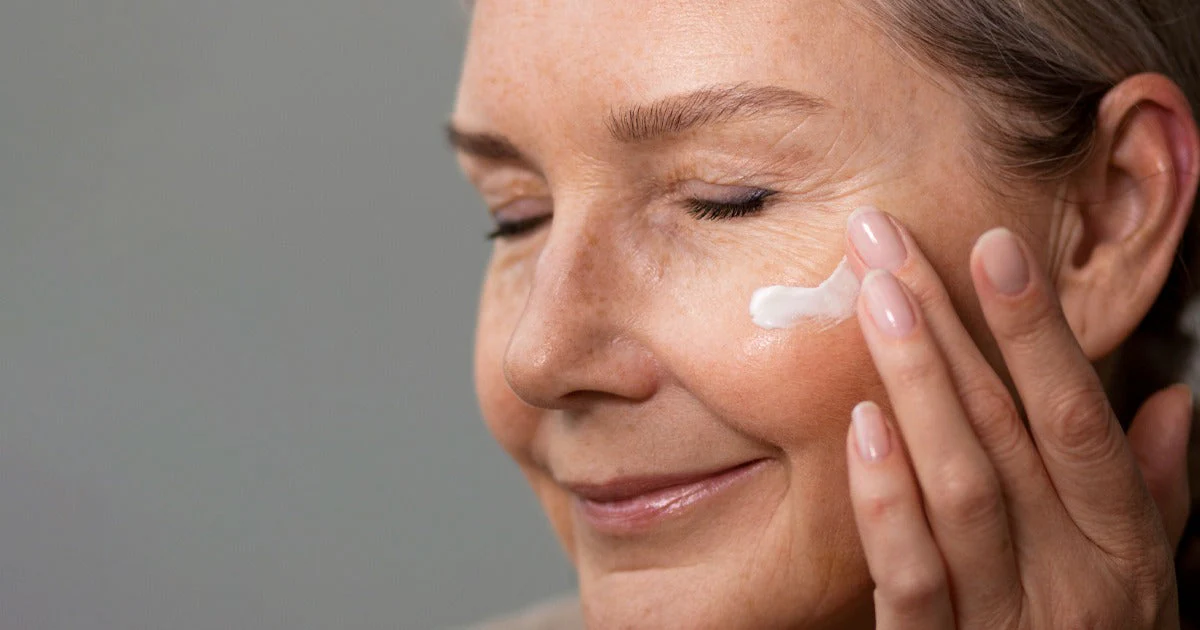
Something happens after 40. Your skin doesn’t behave like it used to. Perhaps it is drier than ever, or more sensitive to products that never bothered it before. Those fine lines multiplied overnight, and your complexion looks… fatigued, even when you’re not.
But what many fail to say right off the bat is that expensive anti-aging skin creams won’t resolve what’s going on underneath the surface. The changes you’re seeing are symptoms of what’s happening inside, and when your hormones start to shift, the last thing you want is a topical solution. But when the beauty industry coerces one to believe it’s about face creams, the reality is that if you want to make changes—it’s about working with your body instead of on it.
Hormonal Changes Can Change Everything
Believe it or not, your skin has hormone receptors in it. While many people don’t think twice about that fact, it’s more important than almost anything else regarding how skin ages.
Estrogen preserves a thick, supple and hydrated outer barrier; it encourages collagen production and moisture retention. Similarly, progesterone generally operates oil production and lipid barriers for inflammation purposes; it’s all intricately connected. So when women reach their forties, men begin to experience hormonal decline—and it shows in their skin.
Estrogen drops when women reach their fortieth decade. Studies show women lose 30% of their skin collagen within the first five years of menopause (that’s a lot). No amount of vitamin C from a jar is going to remedy that reduction.
Where things get even more interesting, however, is that women can use plant-based solutions to substitute for decreased levels. Companies like Naturally Linda focus on natural progesterone support and phytoestrogens that work with one’s naturally occurring estrogen receptors—which means this small hormonal support is targeting your skin for a completely different reason than a topical cream ever could.
Why Is My Skin So Dry And Cracked?
Dryness isn’t in your head; it’s really happening. Without estrogen, your skin produces less oil, less moisture is retained, and natural barriers constructed since puberty are breaking down, resulting in loss of moisture equity and entrance of external irritants—and none of that happens overnight but most people notice a difference almost immediately after turning 40.
The immediate approach is to purchase heavier moisturizers—but that only treats the symptom where it makes a momentary improvement from another topical treatment. It doesn’t work with what’s happening at an internal level.
For example, your body has a natural supply of hyaluronic acid, which retains 1,000 times its weight in water; as people age, they produce less and less of this molecule, so taking a supplement makes sense. Omega-3 fatty acids from fish and flaxseed also bolster lipid barriers from the inside out; these long-term supplements don’t provide instant gratification, but they align with what’s happening at a cellular level over time.
It’s also essential to hydrate more than ever. As you age, your skin becomes the last organ within the system to receive water intake; if you’re slightly dehydrated, it shows immediately on your skin—but if you were 20, it would’ve had time to catch up to you.
Do Collagen Supplements Work?
The number one question everyone wants answers about is collagen supplementation; should you be taking it? Results are incredibly positive (yet inconclusive).
Research shows oral collagen peptides can improve skin elasticity by hydrated through the body after 8-12 weeks of daily consumption; researchers hypothesize that upon breakdown into amino acids and peptides inside the body, with other building blocks working with vitamin C, they signal one’s natural collagen production to increase with ease.
But you must take collagen supplements daily for consistency; marine options are better absorbed than bovine; and at least 10 grams are needed for effectiveness (which is often higher than beauty supplements provide for a blended amount).
Similarly, collagen requires vitamin C to synthesize. Unless someone is consuming this vitamin righteously day-to-day, growing collagen means little to nothing.
Why Is Inflammation So Present Now?
You may have noticed blemishes reddened instantly or rosacea seemingly magically appearing out of nowhere. Hormonal changes render people more inflammatory over time and the skin is a direct reflection.
Sugar is also worse now than before; it causes glycation—a process where sugar molecules glom onto elastin and collagen fibers and cause discoloration and stiffness. Your skin literally can no longer bounce back like it used to when glycation occurs.
Therefore, cutting processed carbs and sugar help—but increasing anti-inflammatory populations does as well (turmeric, green tea, berries, leafy greens) reduce inflammatory markers in the blood—it’s not about an extreme diet but more a shifting of balance toward what’s better for skin from the inside out—and also less extreme for daily eating habits—especially when so many present with extreme cravings late in life due to other health issues.
Even adaptogens ashwagandha and rhodiola help support adrenal glands which release hormones in small doses as we age and ovaries begin producing less—if the body doesn’t feel stressed out, then less inflammation occurs on the face due to less external stressors facing mind and body challenges through every stage of aging.
What About Sun Damage?
Then all those sun-drenched years catch up with you real fast; hyperpigmentation springs up everywhere and your body’s ability to heal itself from UV rays isn’t what it used to be.
It’s especially frustrating because there’s little to no way to reverse sun damage—but there’s a lot that can be done from the prevention side along with supporting healing from sun damage—goodbye, topical creams—hello antioxidants (vitamin E, vitamin C and coenzyme Q10 are helpful) all neutralize free radicals attacking failing polymers forming new wrinkles instead of repairing sun damage; niacinamide (B3) gets commendable research regarding hyperpigmentation efficacy and improves barrier function so work on acceptance both topically or internally as well.
Sleep Shows Stress—and Stress Shows in Sleep
Naturally occurring beauty sleep matters—and more so after 40—when your body’s most effective at repairing itself at night; when you’re not sleeping well due to hormonal disturbances more often than not your body’s not getting the necessary sleep blood carries through its sleep cycle either—thereby fatiguing it even more.
Cortisol, your stress hormone breaks down collagen—and chronic stress literally makes you age faster—and sleep disturbances increase during perimenopause and menopause creating a round-robin where you’re stressed because you’re not sleeping—and you’re not sleeping because you’re stressed.
Magnesium supplementation helps many sleep better; it’s involved in more than 300 enzymatic reactions within the body—which helps regulate response systems relative to sleep and stress (and most people don’t get enough regularly throughout their diets).
What Works?
Ultimately there are several ways that make the most sense over time incrementally combined into one’s lifestyle—all applied correctly assessed over time put their best foot forward for attractive looking skin that isn’t temporarily plumped due to products but rather supported from the inside out for confidence everyone deserves as they age.
Support naturally plant-based options when possible—increase awareness of inflammation through prevention—but don’t fight something that’s occurred over time without getting extreme. Supplement strategically with collagen/omega-3/fibers/hyaluronic acid compounds/as possible include antioxidant/vitamin support where you can—and prep your skin for the rest of your life—even if temperature means one might be forced to transition quickly into crisis mode without it with some dynamic changes over time.
Skin is the body’s largest organ—what’s seen on the surface reflects what’s happening beneath; those changes after 40 aren’t just about aging—but hormonal shifts combined with inflammation showing how well one supports their body renders visible evidence which topical creams never could penetrate even if they tried anyway.