




We’ve all been there: you return home after a long day to discover your bathroom floor soaked, or a stubborn blockage ruining your shower. You can’t choose when plumbing fails—but you can take steps to stop it from ruining your day. That’s where preventative plumbing maintenance comes in. By proactively inspecting drains, checking for corrosion or leaks, and following a simple routine, you’ll dramatically reduce the odds of disaster—and minimize the need for urgent plumbing repairs.
What Preventive Plumbing Maintenance Really Means
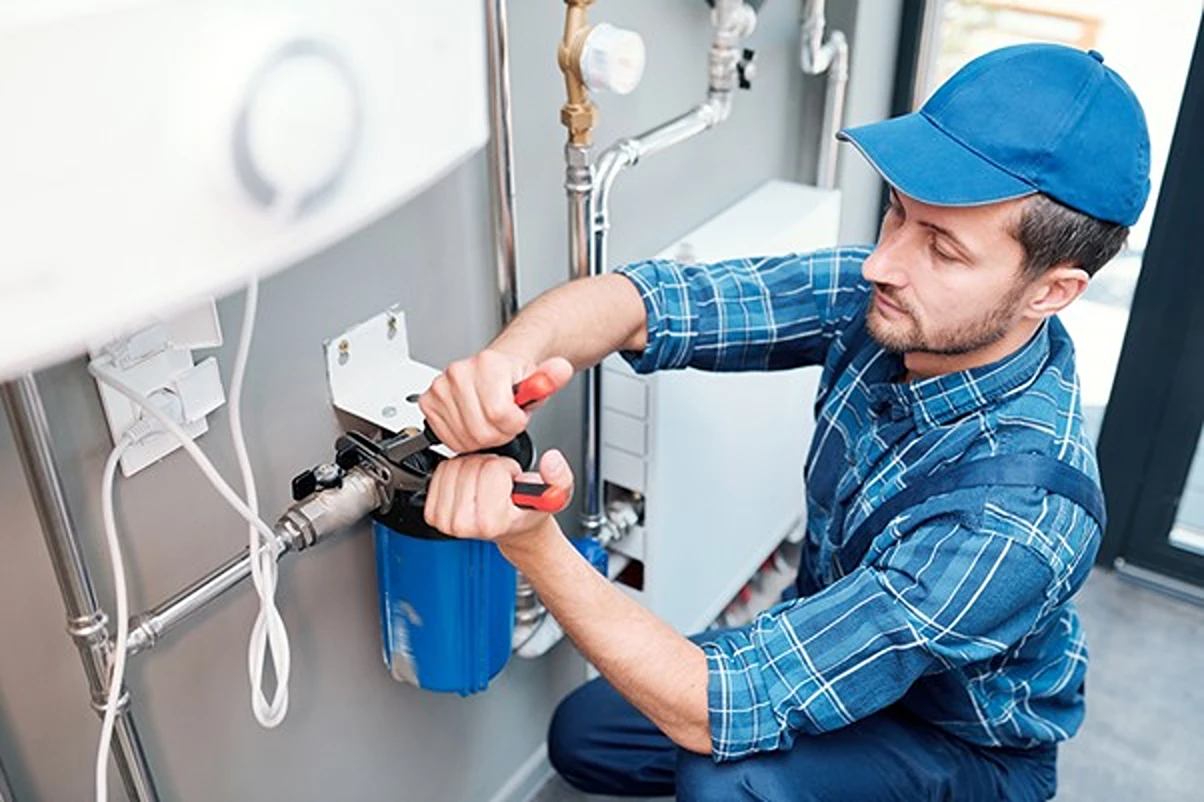
Preventive plumbing maintenance is all about being proactive rather than reactive. Instead of waiting for problems to show up, it involves routine inspection and care to keep everything in top shape. Setting aside a little time for regular checks—or working with a plumbing professional—helps you catch leaks, corrosion, and buildup before they turn into bigger headaches.
This kind of routine ensures your plumbing system lasts longer, functions more efficiently, and gives you peace of mind that a hidden problem isn’t waiting to spring a costly surprise.
Why Small Leaks Shouldn’t Be Ignored
One of the biggest benefits of maintenance is spotting leaks early. A small drip may seem harmless, but over time it wastes water, stains walls, and damages surfaces. Worse, it introduces moisture into drywall, behind baseboards, or under floors. If left untreated, this becomes a breeding ground for mold. That’s exactly why timely leak detection is critical—it’s the best way to stop mold from growing on walls.
Blocked drains are another common issue. Grease, hair, and debris slowly accumulate until pipes clog, water backs up, and the pressure stresses your plumbing. Regularly cleaning drains helps keep things flowing and protects your home from damage.
The Hidden Financial Benefits
Beyond preventing disasters, preventative plumbing also makes financial sense. Leaks and clogs quietly increase water usage and raise monthly utility bills. Over time, small savings add up significantly.
On top of that, regular maintenance extends the life of your fixtures and appliances. Water heaters, faucets, and pipes all experience less wear when maintained properly, reducing the frequency of replacements. That means fewer big-ticket expenses over the years.
And let’s not forget the value of peace of mind. Knowing your system is sound means no unexpected emergencies in the middle of the night—and no scrambling to cover the cost of a last-minute repair.
What Preventive Plumbing Looks Like in Practice
A solid maintenance plan isn’t complicated. It starts with:
- Regular inspections. Look over pipes, faucets, and fixtures to catch leaks, rust, or corrosion. Testing water pressure and flow is a good indicator of overall health.
- Drain care. Keep drains clear with safe cleaning methods. Avoid relying on harsh chemicals, which damage pipes over time.
- Water heater upkeep. Flush the tank annually to remove sediment, test pressure valves, and check the anode rod. This keeps the heater efficient and long-lasting.
- Fixture checks. Replace worn washers or gaskets in faucets and toilets. A quick fix now saves you from replacing an entire fixture later.
These simple steps prevent small problems from escalating into plumbing emergencies.
Warning Signs That Demand Attention
Even with good habits, your plumbing may occasionally signal that something’s wrong. Discolored water, unusual noises, slow drains, or the faint smell of mildew shouldn’t be brushed off. These are early warnings that maintenance or repair is needed.
The key is acting fast. Addressing issues at the first sign prevents them from spreading into larger, more expensive problems.
Why It’s an Investment Worth Making
At the end of the day, preventative plumbing maintenance is about saving money, protecting your home, and avoiding unnecessary stress. You wouldn’t drive your car for years without an oil change—your plumbing system deserves the same level of attention.
A little time spent now keeps your pipes, drains, and fixtures in top condition. And when you do that, you’re not just protecting your home—you’re protecting your peace of mind.