





Most women brush off their hormonal symptoms as stress or simply getting older. A rough week, a bad mood, a bit of bloating – these easy explanations for common occurrences come all too readily, “just hormones” has become a joke. But your body doesn’t do random. If symptoms stick around, they’re worth exploring.
Around 80% of women will have some form of hormonal imbalance in their life, although many won’t be diagnosed until symptoms become more than they can handle. That’s not there to scare you. It’s there to get you familiar with the facts.
Sign 1: Persistent Bloating, Breast Tenderness, And Mood Shifts
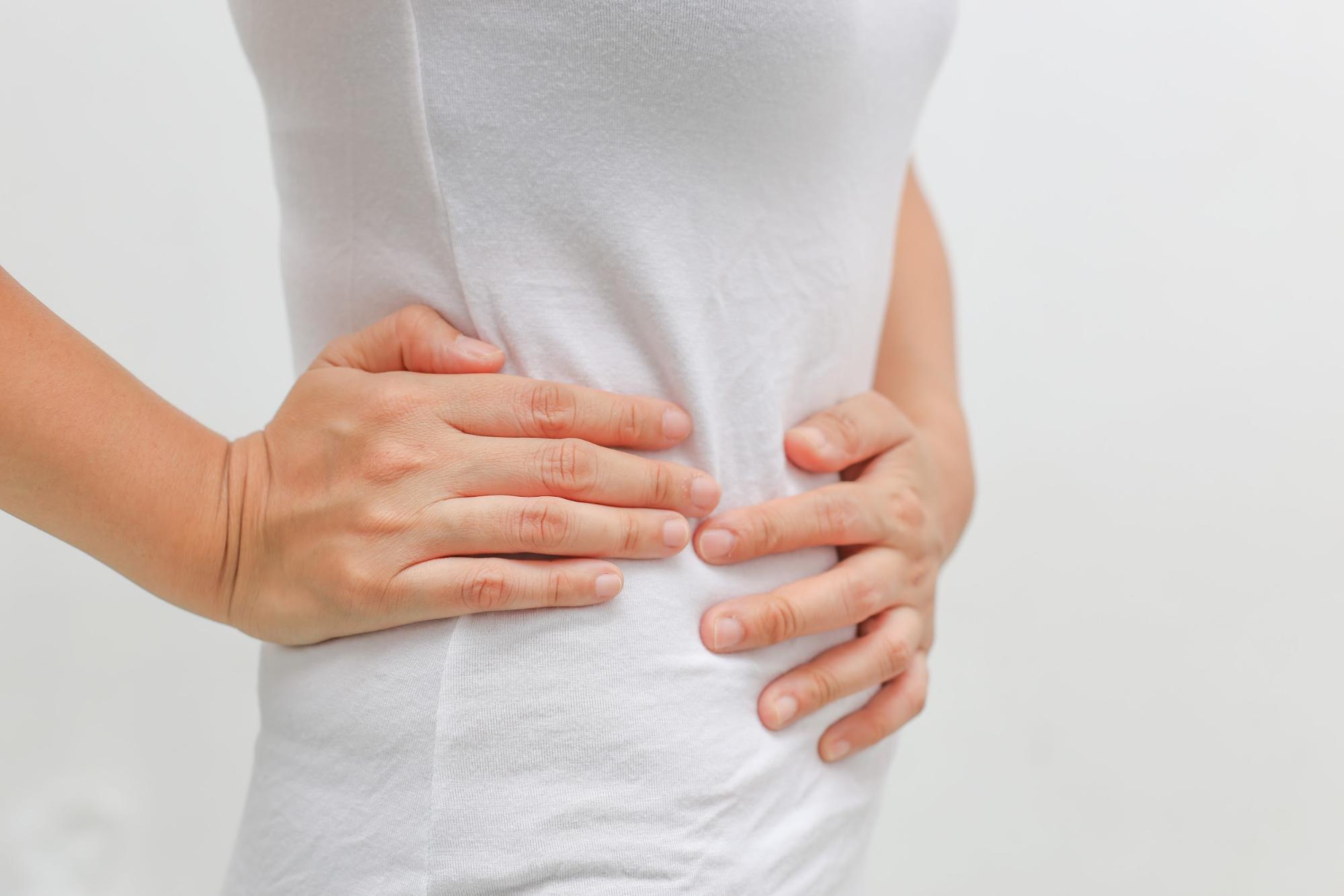
The three most common symptoms around menstruation are bloating, breast tenderness, and mood instability. If these show up occasionally and mildly, they’re a normal part of your cycle. But when they arrive month after month with real intensity – jeans that won’t button, breasts that ache at the slightest touch, emotions that feel impossible to manage – your body is signalling that something deeper is going on.
These symptoms are classic signs of oestrogen dominance: not necessarily too much oestrogen, but too little progesterone to balance it. Progesterone keeps oestrogen’s effects in check, and when it falls short, fluid retention increases, breast tissue becomes sensitive, and your mood becomes harder to regulate.
The frustrating part is that modern life actively works against progesterone. Chronic stress, poor sleep, and exposure to environmental oestrogens – found in plastics, certain skincare products, and pesticides – all tip the balance further. Supporting your progesterone levels through stress reduction and targeted nutrition can genuinely shift the pattern over time. These symptoms are a signal worth listening to.
Sign 2: Chronic Stress Is Depleting Your Hormones
There is a process in the body at times referred to as the pregnenolone steal. In case there’s a high demand for cortisol – due to enduring stress, for instance – your body will prioritize the production of cortisol over everything else. Pregnenolone, which works as raw material for cortisol and progesterone, will be directed towards the adrenals, away from the production of sex hormones.
As a result of this, long-term stress will not only lead you to feel exhausted but it will also reduce progesterone, thus potentially aggravating the imbalance between estrogen and progesterone. Adrenal function and women’s hormonal support are related to one another, and this relationship works in both ways. The situation is exacerbated by poor sleep since cortisol is regulated by the circadian rhythm in a very strict manner – irregular sleep patterns elevate morning cortisol while reducing the window in which sex hormones can stabilize.
In such a context, stress management is not merely some lifestyle amenity. Rather, it is a direct intervention in hormone chemistry.
Sign 3: Your Environment Is Adding Estrogen You Didn’t Ask For
Xenoestrogens are synthetic chemicals that the body mistakes for estrogen. You find them in plastics, artificial fragrances, pesticide residues, and many typical personal care products. When the liver is already overwhelmed by processing and excreting “used” hormones, these endocrine disruptors bind to estrogen receptors and increase the total amount of estrogen in the body, driving estrogen dominance.
It’s no small lifestyle modification to switch to cleaner personal care and household products. But for many women trying to pull out of the estrogen dominance spiral, it’s the most direct way to reduce the relentless input that’s perpetuating their symptoms.
This is yet another place where the liver is key. The liver helps to metabolize estrogen so that it can be excreted through the gut. If that detoxification pathway is slow, estrogen has a chance to re-enter the bloodstream. This is where dietary fiber comes in. Specifically, the fiber from vegetables and legumes that binds to estrogen in the gut and helps to move it out. Dietary fat, including saturated fat, also matters because cholesterol is the building block from which the body makes all steroid hormones. A diet too low in fat can dampen hormone production at the most basic level.
Sign 4: The Case For Topical Herbal Support
Women seeking non-invasive options have long turned to topical herbal preparations. Wild yam contains diosgenin, a plant compound that’s structurally related to hormone precursors in the human body. It’s been used for decades by women navigating perimenopause and PMS symptoms.
Anna’s Wild Yam Cream is one option in this category – a topical preparation applied directly to the skin during the luteal phase to support the body’s natural rhythmic cycles without introducing synthetic progestins.
The appeal of this approach is that it works with the body’s existing processes rather than overriding them. Topical application allows for gradual, targeted support – something many women prefer when they’re trying to restore balance rather than replace it.
Sign 5: Weight Changes And Low Libido That Don’t Respond To Effort
When your hormones are not in harmony, your metabolic rate is often the first to be impacted. If you’re estrogen dominant, you may find it more difficult to lose the fat as your thyroid conversion is slowed (even if your thyroid ‘numbers’ are ‘normal’). You may also hold fat in the hip and abdominal areas – an all too common (and all too frustrating) side effect of this hormonal imbalance. If you have insufficient levels of progesterone, sleep will be affected. And if you’re not getting enough sleep, those two hunger hormones, leptin and ghrelin, will be out of balance too.
This is less about chasing after the holy grail of perfect hormones and more about being in tune and listening to the messages your body is trying to give you. Small steps, shifts, and consistency are key here. The small daily anti-stress changes which are so often overlooked can do so much to help balance our hormones.