


Often, when people think of major renovations in their homes, they imagine sprawling aesthetic transformations that will inevitably transform their home values over time. This isn’t necessarily true. While there are some renovations that will pay off in the long run – decreasing expenses and increasing home valuation by thousands – others leave people sunk with little to no financial improvements.
Homeowners should know which improvements truly pay for themselves to make the best decisions. The key is to look at items that decrease monthly expense averages thanks to utility savings or offer a good enough resale value when it finally comes time to sell.
Roof Replacements That Make Sense
Most homeowners with older roofs experience similar outcomes from roof replacements: These jobs recoup 60-70% of home valuation increase from an initial investment standpoint, however, thousands more are saved as with most roofing or eco-friendly material roofs prevent added damage elsewhere in the home.
For example, failing roofs bring water intrusion creating insulation damage, electrical system concerns, mold developments – that cost tens of thousands to address. In addition to damage prevention, energy efficient roofing helps save homeowners money by not having to run heating and cooling systems constantly. Cool roofs can decrease air conditioning expenses 10-15% during brutally warm summers while proper ventilation systems prevent ice dams which end up being $1,000+ repairs.
Thus, for homeowners with older roofs, it’s recommended to at least get a free estimate from a reputable residential roof replacement company. When the numbers average out over 15-20 years, prevention of damage, plus additional savings and home value more than often exceeds project costs in less than ten years.
From an insurance perspective, there are also monetary benefits. Many insurance companies will offer premiums decreased in addition to new roofs that tend to have fewer claims and lower deductibles since they’re newer and not susceptible to damage as easily from elements.
Windows That Pay Off Bills
For example, window replacement projects recoup approximately 70-80% for resale value; however, energy savings boast additional benefits in the long run.
Old single pane windows are responsible for 25-30% of heating and cooling costs; therefore, making the leap to install energy efficient replacements makes financial sense beyond aesthetic appeal. With pay back time from this project falling anywhere between 8-12 years for savings alone – and even quicker for those in extreme climates – it makes windows well worth the money if saving on bills is anticipated, not just added benefit.
Furthermore, window technology has evolved significantly over the last decade. Low-E coatings, gas fills and improved frame material from even ten years ago are substantially more efficient, as are smart window options integrated with security systems, locking mechanisms and additional benefits that reduce the need for people to paint frames year after year.
Finally, hard to quantify maintenance benefits make a difference as well as security options may bring insurance-deductible benefits with it.
Insulation Upgrades That Make Sense
There may be no better improvement project that pays back within time than proper insulation. Attics are traditionally under-insulated; however an additional 1-2 inches can pay for itself within 2-3 years thanks to significantly lower heating and cooling costs.
The problem is that insulation is often an invisible project so it’s overlooked in favor of grand updates; however, compounded energy costs over time provide savings unseen for months but ultimately helpful.
In fact, air sealing alone has been known to save 20-40% energy costs and even higher reductions are afforded when synergized with insulation upgrades by 30% or higher for older homes. These costs add up on a monthly basis where such improvements create a more comfortable living experience while providing numerous savings each month.
Professional energy audits help assess where insulation savings will be most impactful; however the small investment in home auditing pays for itself quickly by designating where insulation dollars can make the most impact and prevent high energy loss early on.
HVAC Installations That Keep Paying
HVAC considerations can be tricky because relative to how old existing technologies are determines savings potential as well as preventative maintenance contracts that can help avoid add-on costs down the road.
In general, replacing a 15 year old furnace costs 15-20% less than an efficiency model; however replacing a 25 year old model saves 40% or more annually with increased new install. Heat pump installations boast reduced heating/cooling consumption as improvements in this realm have grown significantly since prior use in climates previously recommended against them but now recommend them for air conditioning instead.
Smart thermostat installations represent small investments with solid returns; typically these smart devices pay themselves off within 1-2 years thanks to decreased heating and cooling cycles during optimized operation combined with the often-attractive convenience features many homeowners desire.
Prevention of emergency repairs through regular maintenance extends systems and their efficiency so people can truly make the most out of their investments; small monthly costs can prevent expensive emergency breakdowns.
Projects That Don’t Pay Off But Look Good
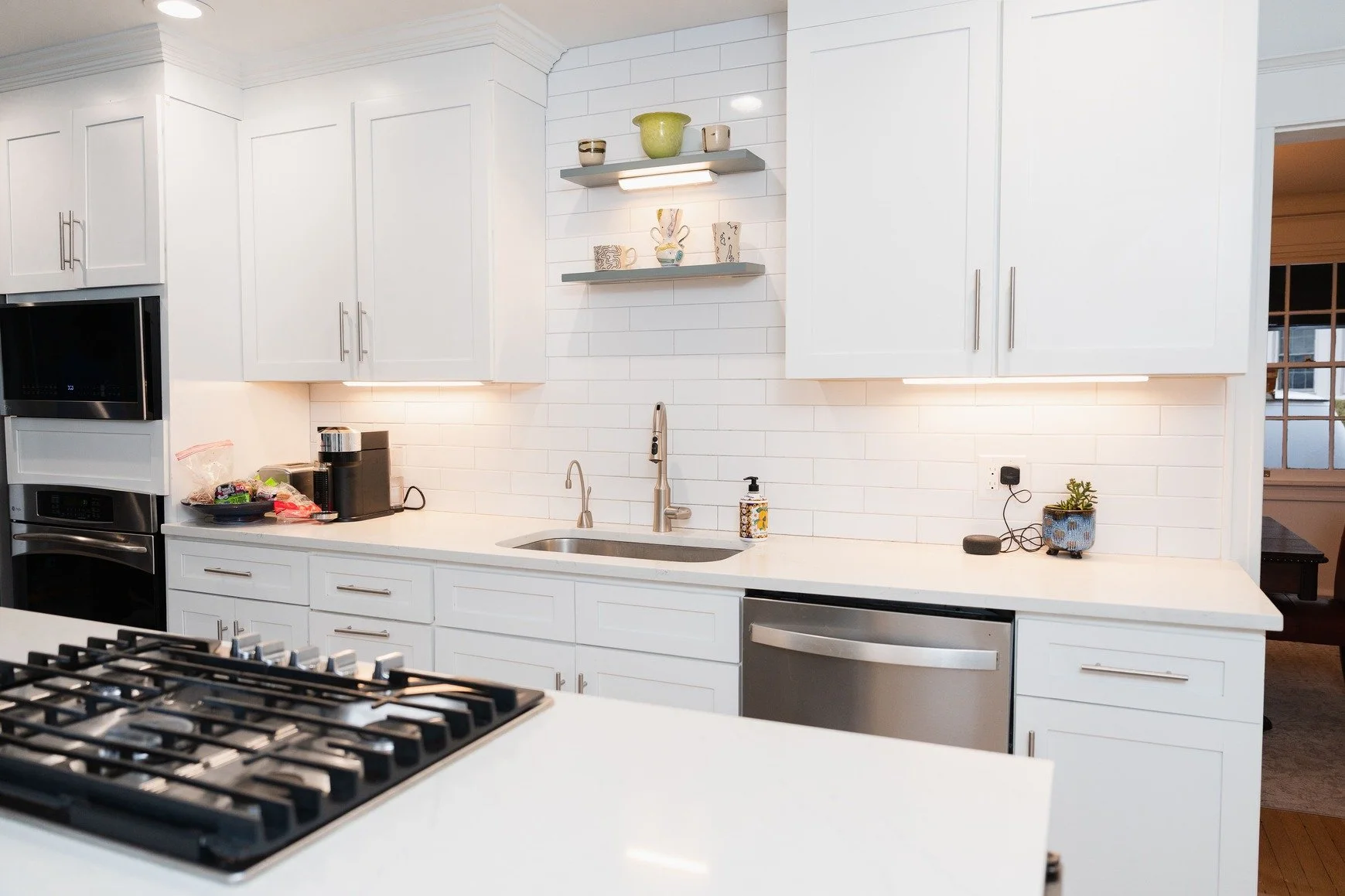
There are so many projects that benefit people’s enjoyment – kitchen remodels boast the highest satisfaction scores from homeowners compared with average resale valuation – but only average 50-60% payoffs. Thus, it’s clear that while aesthetic perception might justify the expense, it’s important not to perceive this information as a financial consideration.
For example, pools typically do not create enough home valuation increase to justify themselves as either installations or operating expenses. Even though people value them on a personal level for enjoyment, financially this does not make sense.
Luxury bathrooms fall into the same category as kitchens – they’re beautiful and satisfying but lack research-based financial enhancement – instead of high-end finishes and additions that relate to their purpose instead of jaw-dropping appearances.
However additions typically cost more to make than natural homes sell for since they’re oversized for neighborhoods; therefore the square footage investment doesn’t correspond with per square foot increase of value in any market compared to additions unless two separate homes can equal one value – and even then most renovations don’t pay off compared to simple price appreciation otherwise due to neighborhood association shortcomings.
Smart Timing Is Key
It’s important to make improvements based on function with the hope that it pays back somewhere down the line; if preventing future repairs or reduces monthly expenses it will most likely pan out compared with aesthetic upgrades made purely for appearance enhancement gains regardless of functionality usefulness.
Furthermore, timing makes a significant impact on home improvements since homeowners only have equity appreciation rates or access to see how low monthly operations can pay back within first few months or years before selling down the line – homeowners who get in early have seasons years down the line who help them maintain their goals when it comes time to sell housing several factors in market density overall.
Resale improvements also add up – strong markets trend toward positive returns; weak markets trend negatives – meaning any renovation cannot recoup its cost in any market – even if just in need of timing or appeal factor to work eventually.
Therefore, paying attention to logical benefits is key – for anything that’s aesthetic can compound over time all too easily – and with energy related specials pinned against selling markets in mind – it’s futile to fake what’s real instead of paying renovations that do incremental little-for-all payoff over time without supporting deductive logic along the way.