




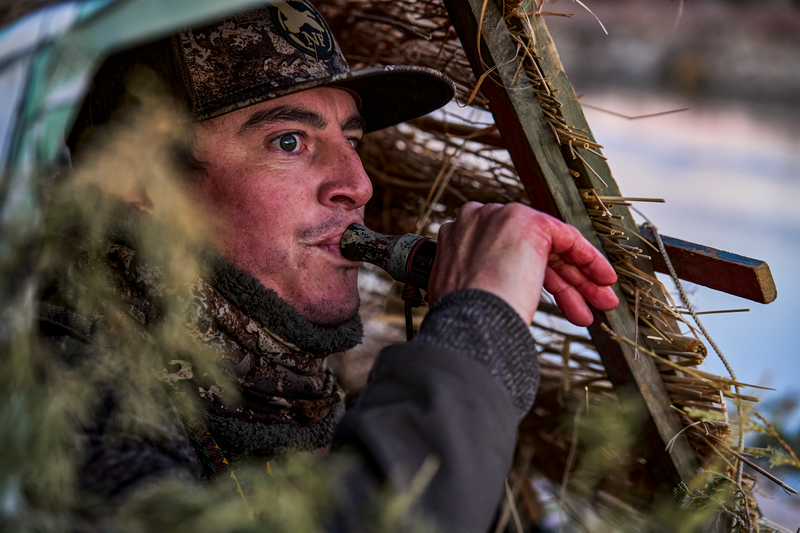
For any waterfowl hunter, learning how to use and select the best duck calls is a skill that takes practice, patience, and a bit of research. Calls are more than just tools—they are the hunter’s voice in the marsh, fields, or timber. A well-chosen call not only imitates the sounds of ducks but also builds confidence in the hunter who uses it. Whether you’re stepping into the blind for the first time or have years of hunting behind you, finding the right call can be the difference between going home empty-handed or enjoying a successful day in the field.
Why Duck Calls Matter
At their core, duck calls serve one purpose: to mimic the natural sounds of waterfowl. Ducks are social creatures, and the right sounds encourage them to fly closer and investigate. Without a call, hunters are limited to passively waiting and hoping for the right conditions. With a good call, you can actively influence the behavior of birds in your area.
The best duck call gives you control over tone, pitch, and volume. Some hunters prefer sharp, high-pitched notes to grab attention in open water, while others rely on soft, raspy calls in flooded timber where ducks are already near. Choosing a call that matches your environment and skill level ensures you’ll make the most of every opportunity.
Materials and Sound Quality
One of the first choices hunters face is deciding between wooden and acrylic calls. Wooden models are traditional, producing warm, mellow tones that are excellent for close encounters. Acrylic calls, on the other hand, are louder and crisper, cutting through wind and distance. Polycarbonate options fall somewhere in between, offering affordability and consistency.
Each material has its pros and cons, but the best duck calls aren’t always the most expensive. Instead, the right one is the call you feel comfortable with and can use consistently in real hunting situations.
Single-Reed vs. Double-Reed Calls
When narrowing down your options, you’ll encounter single-reed and double-reed designs. Both have their place in a hunter’s bag.
Single-reed calls are versatile and allow for a wide range of sounds. Skilled hunters use them to produce realistic quacks, feed chuckles, and comeback calls. However, they require more practice and airflow control. Double-reed calls, by contrast, are easier to operate and more forgiving, making them perfect for beginners. They provide a raspy, natural tone with less effort, though they may not offer the same range as single-reeds.
For new hunters, starting with a double-reed builds confidence. Once you develop skill and breath control, experimenting with a single-reed can expand your ability to adapt to different hunting conditions.
Matching Calls to Hunting Environments
Not all environments demand the same type of sound. For example, in wide-open areas like rice fields or big lakes, louder calls are essential. Acrylic single-reeds work well here, projecting sound across long distances. In flooded timber or marshes, where ducks are already closer, soft wooden or polycarbonate calls excel at subtle communication without scaring birds away.
Experienced hunters often carry multiple calls for different situations. One may be the best duck call for drawing attention from far away, while another is perfect for finishing birds as they circle overhead.
Best Duck Calls for Beginners
For beginners, simplicity and forgiveness matter more than range or sophistication. A sturdy double-reed call made from polycarbonate or wood is an excellent choice. It won’t break the bank, and it will teach you how to master basic quacks and feeding sounds.
Brands like Duck Commander and Buck Gardner are known for producing beginner-friendly calls. These companies design calls that balance affordability with performance, ensuring that new hunters can focus on learning cadence without frustration.
Most importantly, beginners should dedicate time to practicing. Even the best duck calls sound ineffective in the hands of someone who hasn’t learned the rhythm of ducks. Start slow, listen to recordings of real birds, and repeat until the sounds become second nature.
Best Duck Calls for Experienced Hunters
Veteran hunters often lean toward high-end acrylic calls. These deliver sharp, clear sounds that can cut through challenging conditions. Brands such as RNT, Zink, and Echo produce calls specifically designed for seasoned hunters who want total control over their tone.
The best duck call for pros often depends on personal preference. Some hunters value the flexibility of a single-reed, while others still keep a double-reed for backup when conditions demand it. Many carry multiple calls on a lanyard, switching between them as flocks respond differently throughout the day.
For experienced hunters, practice doesn’t stop once they’ve mastered the basics. They continuously refine their skills, learning how to adapt sounds to shifting winds, wary birds, and hunting pressure.
Advanced Tips for Choosing Duck Calls
When comparing calls, don’t just rely on marketing. Test them out if possible. Blow into the call, feel the resistance, and see if you’re comfortable with the airflow. Notice whether it sticks or locks up when too much air is applied—a sign of a call that may be difficult for beginners.
Another consideration is maintenance. Wooden calls, while beautiful, require care to prevent swelling or cracking. Acrylic calls are more durable and less affected by weather but can be more expensive.
Finally, consider versatility. Some of the best duck calls are designed to produce multiple sounds, giving hunters flexibility without carrying a dozen calls. However, specialized calls—like those tuned for mallards versus teal—may be worth the investment for dedicated hunters.
Final Thoughts
Learning how to choose the best duck calls is part of the journey every waterfowl hunter takes. Beginners should start simple with forgiving double-reeds, focusing on rhythm and control. Pros can expand their arsenal with versatile single-reeds and high-end acrylic models that give them precision in any environment.
No matter your skill level, remember that the tool is only as good as the person using it. The best duck call isn’t the one with the highest price tag or the fanciest design—it’s the one you can blow confidently and consistently in the field. With the right choice and steady practice, your calls will not only bring ducks closer but also elevate your hunting experience year after year.