




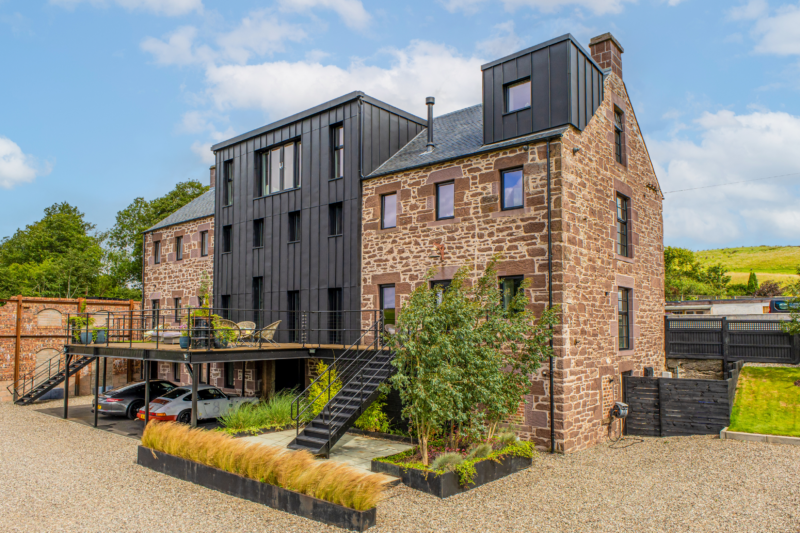
Restoring a heritage home in Stirling can be an exciting project. These properties often feature beautiful architecture, detailed craftsmanship, and historical character that modern homes rarely replicate. Renovations usually focus on preserving these visual elements, from timber features and stonework to decorative interiors. However, while aesthetic restoration receives significant attention, the plumbing infrastructure behind the walls is often overlooked.
Many homeowners complete extensive renovations only to discover that their water pressure remains frustratingly poor. Showers feel weak, taps run slowly, and appliances struggle to operate efficiently. In many cases, the problem is not the new fixtures but the ageing plumbing system that was never upgraded during the restoration.
Older plumbing spaces, wall cavities, and damp pipe areas can also become attractive hiding spots for pests such as rodents, cockroaches, and insects. Because of this, homeowners restoring heritage properties sometimes need to consider pest control solutions alongside plumbing upgrades to prevent infestations from developing within ageing infrastructure.
Why Water Pressure Problems Persist in Heritage Homes
Heritage homes were built during a time when plumbing systems were designed for far lower water usage than modern households require. Older pipe networks were often narrower and constructed from materials that gradually deteriorate over time.
Narrow pipes restrict water flow, especially when multiple fixtures operate simultaneously. Over the decades, internal corrosion or mineral buildup can further reduce the internal diameter of these pipes, making the problem worse.
Ageing valves and outdated fittings can also contribute to poor pressure. Valves installed many years ago may partially seize or become inefficient, limiting water flow even when they appear to be fully open. In addition, older plumbing layouts may not have been designed to accommodate modern appliances such as dishwashers, washing machines, and high-pressure showers.
These underlying infrastructure limitations mean that even after a full renovation, the water pressure issues remain unchanged.
Common Renovation Oversights
During heritage restorations, much of the renovation budget is typically allocated to visible upgrades. Kitchens and bathrooms are redesigned, walls are restored, and flooring is replaced to match the home’s original character.
However, the plumbing behind these finishes often remains untouched. In some cases, new fixtures are installed while still connected to decades-old pipes. While these fixtures may look modern, their performance depends entirely on the existing pipework.
This creates a common scenario in which homeowners expect improved water pressure after renovation but instead experience the same limitations as before. Cosmetic improvements alone cannot solve infrastructure problems hidden within walls and floors.
Why Heritage Homes Need Plumbing Assessments
Heritage properties require careful planning to balance preservation with functionality. Plumbing infrastructure must be evaluated alongside architectural restoration to ensure the home performs efficiently for modern living.
An experienced Plumber Stirling can assess the existing plumbing system and identify the factors contributing to poor water pressure. Through inspections, pressure testing, and pipe assessments, professionals can determine whether outdated pipes, valves, or system layouts are restricting water flow.
Once the underlying cause is identified, solutions may include upgrading pipe sizes, replacing ageing valves, or improving the home’s distribution system. These upgrades can significantly improve water pressure while still preserving the historical character of the property.
The Importance of Infrastructure Upgrades in Heritage Restorations
Modern households place far greater demand on plumbing systems than homes built decades ago. Multiple bathrooms, water-efficient appliances, and modern fixtures all rely on consistent water pressure to function properly.
When heritage homes retain outdated plumbing infrastructure, the system struggles to keep up with these demands. Upgrading pipes and essential plumbing components during renovation ensures that restored homes deliver both historical charm and modern performance.
Integrating plumbing upgrades early in the restoration process can also prevent costly rework later. Accessing pipes during renovation is far easier than reopening walls and floors after the project is complete.
Conclusion
Restoring a heritage home in Stirling is about preserving the beauty and character of the property while adapting it for modern living. However, focusing only on aesthetics can leave critical infrastructure problems unresolved.
Persistent water pressure issues often stem from narrow pipes, ageing valves, and outdated plumbing systems that were never upgraded during renovation. Addressing these underlying factors ensures the home functions as well as it looks.
By evaluating plumbing infrastructure alongside architectural restoration, homeowners can enjoy both the charm of heritage design and the comfort of reliable modern water pressure.