



Yards tend to fall in one of two camps: they’re too well landscaped with a variety of expensive additions that all looked great in the planning stage but go unused, or they’re empty because no one ever got around to doing anything with them. The happy medium rarely exists, but you don’t need a bank loan, either, or an entire renovation effort to get there.
Instead, the best improvements to make to your yard are those that successfully alleviate the friction of spending time outdoors. If a yard is uncomfortable, inconvenient, or boring, it’s only natural to return to the confines of the house. But if limited usability pains are targeted and transformed, suddenly that yard becomes a magnet for residents.
Seating That People Will Want to Sit In
This might seem self-evident, but uncomfortable seats guarantee yards go unused. Those cheap, plastic resin seats sold at the local hardware store might be durable and effective, but they’re also easy to avoid for more than twenty minutes.
On the contrary, good-quality furniture that prioritizes comfort and material use can convert persons who ordinarily wouldn’t spend time outside on furniture that feels like raggedy second best for more comfortable indoor chairs. A good quality Lounge Chair that boasts additional comfort goes a long way, as does one constructed of more weather-worn materials than others. Thus, when chairs are as comfortable outside as they are inside, there’s significantly less motivation to resist going outside.
But comfort is not just about plush feel but also about materials that resist wear and tear. Moisture-resistant furniture that can be left outside rather than hoisted to storage every time rain threatens means furniture that will ultimately encourage ongoing use over time. Teak, powder-coated aluminum and all-weather wicker withstand excess sun and moisture without posing a weekend project every month.
Placement also impacts comfort just as much as the furniture itself. Chairs scattered throughout a yard are not usable as meaningful spaces; however, grouping chairs and benches together creates conversational spaces; placing them where afternoon shade will hit inevitably makes the spaces more intentional.
Shade Solutions That Extend Your Use Window
The summer months are when people most want to be in their yards. Unfortunately, they also bring direct sunlight for most of the day. Without any kind of shade, yards become practically unusable for the bulk of the afternoon. If you live in an area where a home is far away from other homes or has no fence, being outside essentially means tanning for four hours straight. That’s no kind of backyard enjoyment.
Umbrellas can help; however, they’re often not wide enough to provide good coverage and need constant adjusting to cater to moving sunny positions throughout the day. Pergolas offer more shade coverage options (albeit still semi-permeable) and act as architectural enhancements that create beautiful focal points wherever placed. While this is a more expensive upfront cost option, the improved usability of space proves worth it for most people.
Similarly, shade sails are becoming increasingly popular for good reason. They’re less of a permanent fixtures than larger shade options while remaining affordable and effective in providing shielded comfort. They can be determined where exactly coverage is needed and installed easily in a day over a weekend. Plus, they can be uninstalled if plans change down the line.
Trees provide living shade, but take longer to establish but pay off over time. A well-placed trunk can (at full width) not only block the sun but cool an area down significantly. Fast-growing options like red maple or river birch trees can create sufficient shade in three to five years.
Lighting That Makes Hours Usable
Once the sun goes down, yards turn back into extensions of homes without outdoor lighting considerations. The last thing anyone wants is a floodlight aimed at the backyard from the rear of their home for nighttime gatherings. It’s like an interrogation room vibe that no one wants to frequent.
String lighting revolutionized backyard aesthetics because they’re cheap, easy to install and offer ambient light that feels usable. Whether strung along fencing or over a seating area, suddenly nighttime gatherings become far more approachable when soft lighting makes people feel less exposed.
Path lighting adds functionality but also helps define a space after dark. Solar options have been reliable enough these days that they’re worth purchasing; it’s better than having no solar option at all if there are areas far from outlets. Path lights should line walkways and seating areas so people can navigate confidently without harsh lights flooding spaces.
Finally, uplighting trees or your home adds interest without being overwhelming. It takes a few lights placed properly to transform how your yard looks at night.
Surface Improvements That Alleviate Friction
Navigating uneven grass paths before reaching patio chairs might seem like no big deal; however, it’s another one of those little inconveniences that makes people less likely to go outdoors. Surface improvements eliminate microannoyances that otherwise add up over time.
A simple gravel path from your back door to your main seating area makes a world of difference despite what might be assumed, and it does not require excessive maintenance over time because it never gets muddy and helps define where people should travel. Decomposed granite is an even better option; it has an even cleaner look with more compaction.
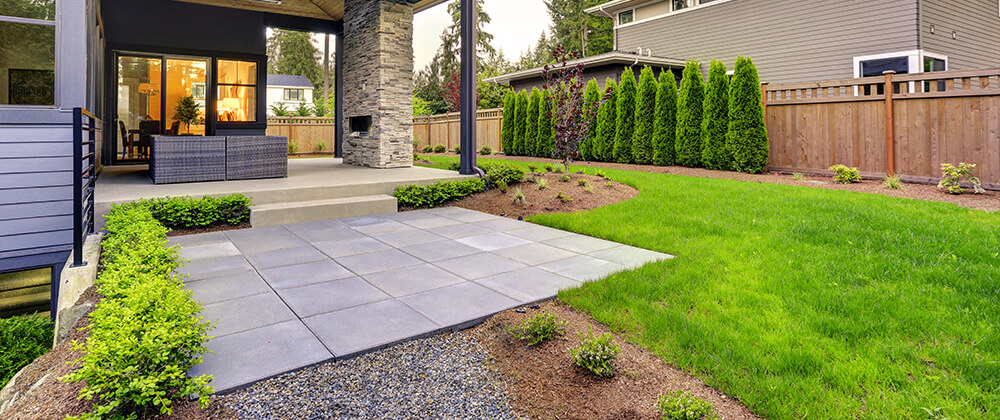
Paver patios do not need to be anything special; the goal is creating a level surface upon which furniture can also sit evenly and feel intentional. Setting outdoor chairs directly on grass will inevitably kill off areas of turf; if the goal is continued use, then it might as well make sense to install proper surfaces from the start.
For areas where grass will remain, dealing with bare spots and uneven ground is beneficial when frequent use is guaranteed. No one wants to set up dining chairs on a field of bumps and patches; overseeding uneven areas and fixing drainage issues that create pockets can make yards more functional.
Temporary Privacy Screens
If your yard has busy street traffic or nosy neighbors on one side (or both), it’s highly possible that you avoid using your yard as much as you should because you don’t want others watching what you’re doing every minute, or catching their prying eyes at the worst moments. You don’t need eight-foot privacy fencing and slats for this problem to go away; often, even one or two screens in strategic spots do the trick.
Lattice panels draped with climbing plants create privacy without making people feel like they’re living in a fortress. The sightlines get blocked without making an area feel claustrophobic, or attacking a budget like fencing would do, but instead, fast-growing vines like clematis or honeysuckle can fill in a panel within a single growing season.
Outdoor curtains beneath covered patios or pergolas offer adjustable privacy; they can be tied back during non-use periods while pulled tight when needed for seclusion. This flexibility works wonders for yards needing fluctuating privacy at different times of day or next door neighbor considerations.
Tall ornamental grasses planted in select areas can block problematic views without the permanence, and expense, of fencing. They blow in the wind for added texture and offer minimal maintenance once established.
Water Access That Alleviates Friction
Going inside every time something needs watering or rinsing adds extra unnecessary steps that deter people from using their yards frequently enough. Having a hose bib added closer to high-use spaces reduces this friction point significantly.
An outdoor sink elevates this notion further for those who do plenty of outdoor cooking or gardening; it goes from long trips inside for food prep and vegetable cleaning to potentially washing hands outdoors to stages happening seamlessly.
Even just a rain barrel positioned near flower beds can reduce friction amounts in times where those spaces need additional watering, they’re better than going back inside each time anything needs maintenance.
Easier Maintenance
Finally, one-time improvements that either reduce ongoing work or make ongoing features less annoying become the most appreciated by yard users.
Low-maintenance landscaping around seating areas means less trimming over time so there can be even more sitting, yes, the trees need to be trimmed and debris needs to be raked but mulched beds take less watering and weeding compared to lawns; native plants adopted into your growing zone need way less fuss compared to high-maintenance options.
There’s no reason your yard needs to look boring if you zone out portions less intended for beautiful appearances but instead in stress-free usability.
The ultimate goal of improving your yard is creating inviting spaces that pull people outside instead of pushing them back inside where even more climate control measures confine them. Specific small improvements over time are far better than theoretical possibilities adding value; it’s better invested right away for daily use while minimizing barriers between wanting to be outside, and actually spending time outside.