





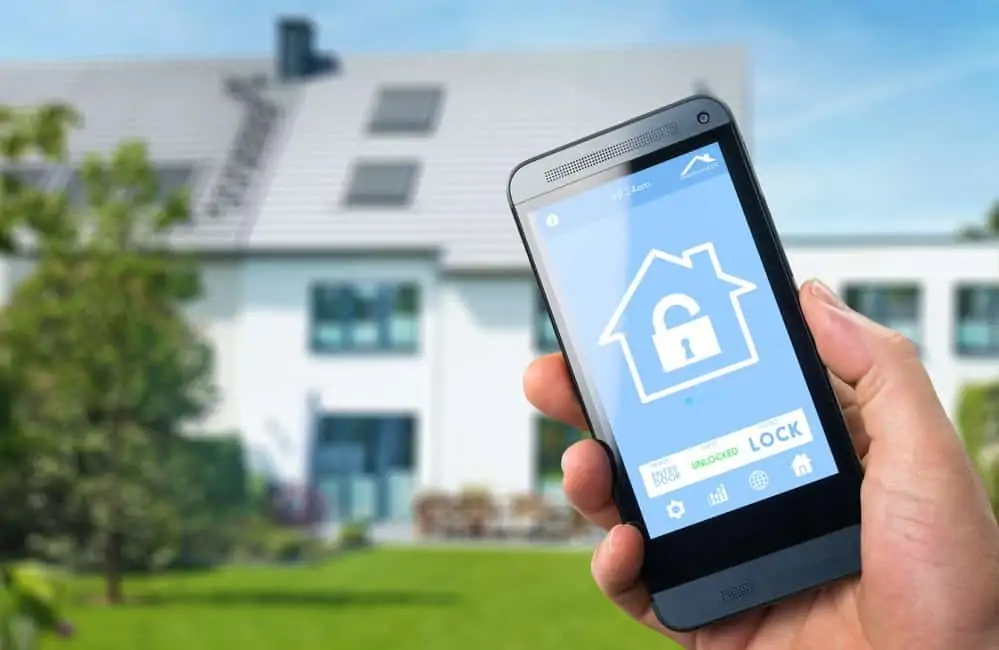
Let’s be real—nobody wants to spend a whole trip worrying about whether their house is okay. Whether it’s a quick weekend away or a two-week holiday, leaving your home empty can feel a little risky. What if something happens? What if someone breaks in? What if no one notices?
That’s where smart security comes in. These days, protecting your home doesn’t mean setting up one loud alarm and hoping for the best. Now, there are systems that keep an eye on things 24/7—even when you’re nowhere near home. And the best part? You can check in anytime from your phone, or let professionals take care of it while you relax.
Why Regular Alarms Aren’t Enough Anymore
A basic alarm might scare someone off, but it doesn’t do much if no one’s around to hear it. If you’re out of town, who’s going to respond? That’s one of the biggest gaps in older systems—they make noise, but they don’t actually alert anyone who can help.
That’s why so many people are switching to systems that connect straight to a monitoring center. These are called back-to-base systems. When something goes wrong, they don’t just beep—they instantly send a signal to trained operators who can call you, check video footage, or even contact emergency services if needed. It’s way more useful than hoping your neighbor hears the alarm.
One thing people often look into is this Rechenberg Security Systems service. They offer full support with back-to-base monitoring, smart alarms, and expert advice. It’s worth checking out if you want a system that’s reliable and works around the clock.
What “Smart” Security Actually Means
People hear the word “smart” and think of robots or fancy gadgets. But in this case, it just means your system can talk to your phone, send updates, and connect with other smart devices at home.
For example, if someone opens a door while you’re away, you get a notification immediately. You can see live video from your cameras, lock or unlock doors from an app, and even talk through two-way audio if your system has it. Some setups let you set schedules or use motion detection so your lights turn on when someone gets close, making it look like someone’s home.
This kind of control is super helpful if you travel a lot or have a busy schedule. Even if you’re just out for the day, it’s reassuring to know what’s happening at home.
Cameras That Do More Than Record
Old cameras just recorded whatever they saw and saved it. But that only helped after something happened. Modern security cameras are way smarter. They can recognize motion, send alerts, and even tell the difference between a person and an animal so you don’t get notified every time a cat walks by.
Plus, they’re often connected to cloud storage, so you can review footage from anywhere. Some systems let you speak through the camera too, which can be a real surprise to anyone sneaking around. It’s kind of like being home, even when you’re not.
Cameras outside your house are great, but indoor cameras matter too—especially near entrances or important areas. If anything does go wrong, you’ll have clear proof. That makes things easier for police and insurance claims too.
Smart Doesn’t Mean Complicated
One thing people worry about is whether smart systems are too hard to use. But they’re made to be simple. Most come with apps that show everything clearly—what’s locked, what’s open, and what’s happening in real time. Some can even be controlled by voice if you use assistants like Alexa or Google Home.
Even if you’re not super tech-savvy, getting help from a good security company means they’ll set everything up and show you how to use it. After that, you mostly just get notifications and check in now and then. It becomes part of your routine, just like checking the weather.
What Happens When Something Goes Wrong
The big question is: what actually happens if your alarm goes off?
With the right setup, you don’t have to do much. The system alerts a team that’s always watching. They check what triggered the alarm, look at the video if it’s available, and decide what action to take. That might mean calling you first or sending help right away.
This kind of fast response can stop a problem from turning into a disaster. And if it’s a false alarm, no big deal—they’ll just reset it after checking everything’s okay.
Even better, some systems can detect more than break-ins. There are smoke detectors, gas leak alerts, and even medical emergency buttons that all connect to the same system. So your home isn’t just secure—it’s safer in every way.
Setting It Up Before You Go
If you’re planning to be away for a while, take a few minutes to make sure your security is ready. Check that your system is working, your cameras are clean, and your app is up to date. Make sure any smart locks or lights are synced properly.
Also, let someone you trust know you’ll be gone. A neighbor or family member can be an extra set of eyes. And if your system is monitored, tell the security team you’re going to be away—they might be extra alert to any alerts that come through.
Doing all this ahead of time means you can leave with zero stress. You’ll know your home is covered and there’s a plan if anything comes up.
Key Things to Remember
Smart security isn’t about being paranoid. It’s about being prepared. It means you can leave your home and actually enjoy where you are—not constantly checking to see if your doors are locked.
Basic alarms might have worked in the past, but they only do part of the job. Back-to-base systems take it further by alerting real people who can respond. It’s the difference between noise and real help. Smart systems give you control no matter where you are, with live video, mobile alerts, and easy-to-use apps that let you see everything at a glance.
Cameras today do more than just record—they send real-time updates, recognize motion, and save footage to the cloud. That means you’re always in the loop. And if something does go wrong, your system and its support team are ready to act fast, whether it’s a break-in, fire, or another emergency.
All of this comes together to make your home safer and your life a lot less stressful. When your system is reliable and always on, you don’t have to worry about what’s happening while you’re away. You can enjoy the moment, knowing your home is protected by more than just hope.