



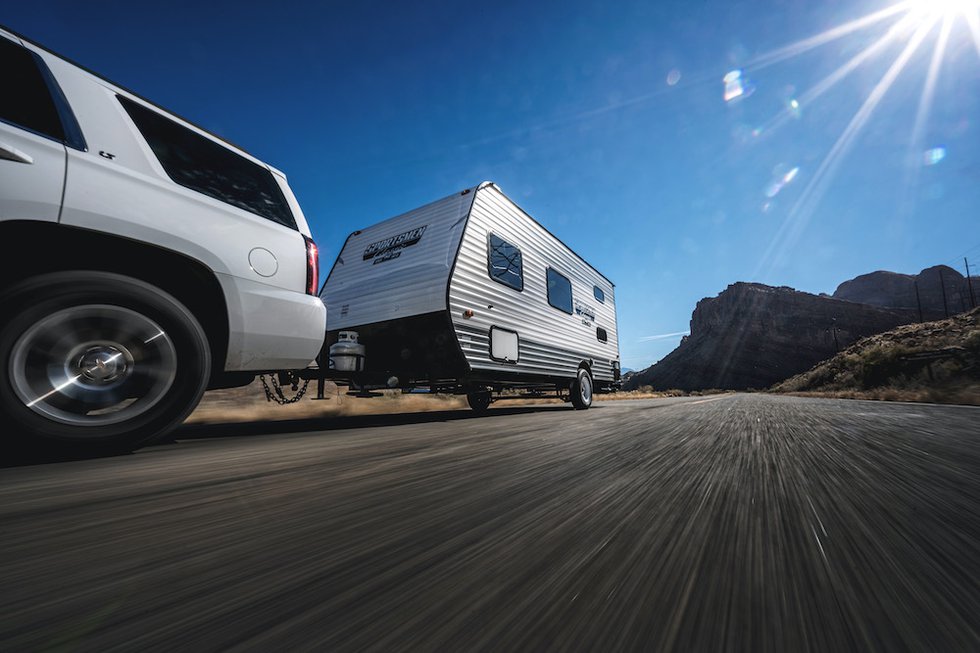
That clunking sound wasn’t there last week. Now it happens every time the trailer hits a bump, and it’s getting louder. Or maybe there’s a high-pitched squeal that starts after about 20 minutes of driving. These noises don’t just appear out of nowhere—they’re the trailer’s way of saying something needs attention.
The good news is that most trailer noises follow recognizable patterns. Once you know what to listen for, diagnosing the problem becomes much more straightforward. Even better, catching these issues early usually means simpler fixes and avoiding those expensive emergency repairs that always seem to happen at the worst possible time.
The Grinding Sound That Means Bearings Need Help
Wheel bearing noise is probably the most common sound trailer owners encounter. It typically starts as a faint humming that gets progressively louder, eventually turning into a grinding or growling noise that changes pitch with speed. The sound might come from one side more than the other, and it often gets worse during turns.
Bearings wear out because they’re constantly under load, dealing with weight, heat, and the occasional water intrusion from boat ramps or creek crossings. When the grease breaks down or dirt gets past the seals, metal starts grinding on metal. The noise is usually the first warning sign—if ignored, the bearing can seize completely, potentially causing the wheel to lock up or even come off.
Checking bearings before they fail completely saves considerable hassle. Jacking up the trailer and spinning each wheel by hand reveals roughness or play that shouldn’t be there. If there’s any question about bearing condition, getting them inspected and repacked (or replaced if they’re already damaged) prevents roadside disasters. For comprehensive solutions, specialists in trailer repairs and parts can assess bearing condition and replace components before they fail completely.
Clunking and Rattling From Suspension Components
Suspension noise usually announces itself as clunking when going over bumps or rattling on rough roads. These sounds point to worn bushings, loose bolts, or springs that have lost their mounting tension. Leaf spring trailers might develop a distinctive squeaking as the springs flex and rub against their mounts.
The challenge with suspension noise is that it can come from multiple sources. A loose U-bolt might sound remarkably similar to a worn shackle bushing. Walking around the trailer while someone else rocks it back and forth often helps pinpoint the exact location. Push and pull on different suspension components—anything that moves when it shouldn’t is probably the culprit.
Tightening hardware solves many suspension noises, but worn bushings and damaged springs need replacement. The thing about suspension components is they rarely wear evenly. Replacing just the worst parts might quiet things down temporarily, but it’s worth inspecting the whole system when one component fails. That way, everything gets addressed at once rather than dealing with failures one at a time over the following months.
The Squealing That Points to Brake Problems
Brake noise ranges from occasional squeaking to constant squealing or grinding sounds. Electric brakes often make noise when the shoes wear thin and the backing plate starts contacting the drum. Sometimes the sound comes and goes depending on humidity or how much the brakes have been used recently.
Brake dust accumulation can cause squeaking even when there’s plenty of lining left. The noise might disappear after a few brake applications, only to return later. But if the squealing is constant or accompanied by reduced braking performance, the shoes have probably worn through and need replacement. Grinding noises mean the damage has already started affecting the drums.
Testing brakes before each major trip takes just a few minutes. Activating the trailer brake controller while moving slowly shows whether the brakes engage evenly and quietly. Any unusual sounds or pulling to one side indicates problems that need sorting. Brake components aren’t expensive compared to what happens when they fail completely at speed.
Rattling From Loose Body and Frame Parts
Sometimes the noise isn’t mechanical at all—it’s just parts that have worked themselves loose. Mudguards, toolboxes, jockey wheels, and safety chains all develop rattles as their mounting hardware loosens over time. These noises might seem less urgent than bearing or brake sounds, but they’re worth fixing because the vibration that causes rattling also causes additional wear.
The rattle from a loose mudguard sounds different from suspension noise because it’s higher pitched and more erratic. It changes with road texture rather than bumps. Walking around the trailer and grabbing different components reveals what’s loose. Often, it’s just a matter of tightening a few bolts, but check for worn mounting holes or cracked brackets that might need proper repair.
Clicking From Coupling and Hitch Components
A clicking or clunking from the front of the trailer usually relates to the coupling or hitch area. Worn coupling jaws, a hitch ball that’s too small for the coupling, or insufficient tow ball weight can all cause repetitive clicking sounds when starting, stopping, or changing speed.
This noise is worth addressing immediately because it indicates the coupling isn’t seated properly or has excessive wear. A coupling that’s clicking is moving more than it should, which puts extra stress on all the connection components. Checking the coupling for wear and ensuring the correct ball size (and that it’s properly greased) eliminates most of these sounds.
Taking Action When Noises Start
The pattern with trailer noises is usually the same—they start small and get progressively worse. That faint humming becomes a grinding, the occasional squeak turns into constant squealing, and the slight rattle develops into something that sounds like the trailer’s falling apart. Addressing sounds when they first appear means dealing with worn components before they cause secondary damage.
Keeping a simple log of when noises start and under what conditions helps diagnose problems. A sound that only appears when turning right points to a specific wheel bearing. Noise that starts after 30 minutes of driving suggests something heating up. These details make troubleshooting more efficient and help professionals diagnose issues faster if the repair needs specialist attention.
Most importantly, trusting instincts about unusual sounds pays off. That noise probably does mean something needs attention. Taking an hour to investigate beats being stranded with a seized bearing or discovering brake failure at the worst possible moment. Trailers are straightforward machines, and they’re pretty good at communicating when something needs care—the trick is just listening and responding before small problems become big ones.