








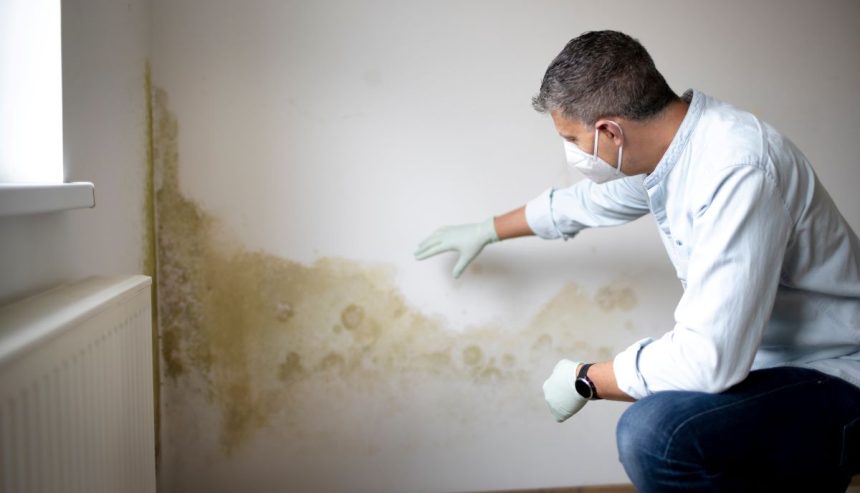
Mold is a silent intruder that can thrive in homes and businesses without immediate detection. It grows in damp, dark, and poorly ventilated spaces, often making its presence known only after it has already spread. While a little discoloration on a wall or a faint musty odor may not seem alarming, these are often early signs of a deeper problem. Ignoring these warnings can lead to long-term structural issues and health concerns that are much more costly to address later. By recognizing the risks and taking proactive steps, property owners can protect their living environment and safeguard their well-being. Noticing a musty smell, unusual stains, or unexplained allergic reactions could be a strong indicator of mold that requires immediate professional attention.
Why Mold Should Never Be Ignored
Mold does not remain confined to one spot. Given time, it can spread through walls, ceilings, and ventilation systems, creating a hazardous environment. The damage is not only cosmetic; it can weaken wood, drywall, and insulation, forcing expensive repairs. More concerning is the impact on human health. Prolonged exposure has been linked to respiratory issues, chronic coughing, skin irritation, and worsening of asthma or allergies. Children, the elderly, and individuals with compromised immune systems are particularly vulnerable.
Addressing mold early through inspection and remediation is always less costly than waiting until it spreads. Unfortunately, many people postpone calling an expert, hoping the issue will resolve on its own. In reality, mold thrives when neglected. Professional evaluation ensures that the source of moisture is identified and eliminated, preventing recurring infestations that a surface cleaning alone cannot stop. The importance of trusted remediation professionals becomes even clearer when reading reviews of Quick-Dry Flood Services of San Diego, where many customers highlight how prompt action saved them from escalating problems.
Common Signs That Mold May Be Present
Mold often hides in plain sight. However, several red flags should not be ignored:
- Persistent Odors: A musty smell that lingers even after cleaning is a major warning sign.
- Visible Spots or Stains: Green, black, or brown patches on walls, ceilings, or flooring often indicate an infestation.
- Health Symptoms: If residents experience frequent sneezing, coughing, watery eyes, or fatigue without explanation, mold exposure may be the culprit.
- Moisture Issues: Areas with past leaks, flooding, or poor ventilation create the perfect breeding ground for mold.
While these indicators are useful, mold can also hide behind walls, under flooring, or in attics, where it is not immediately visible. This is why professional inspections, supported by testing and specialized tools, provide far more reliable answers than surface observation alone.
Why DIY Mold Removal Often Fails
Many homeowners attempt to handle mold themselves with household cleaners or online remedies. While this may temporarily improve appearances, it rarely solves the root of the issue. Without addressing the underlying moisture, mold inevitably returns. In some cases, improper cleaning methods can even release spores into the air, spreading contamination to new areas.
Professional inspectors and remediation specialists, on the other hand, use containment strategies, HEPA filtration, and safe removal techniques that ensure spores are not released into living spaces. They also have the expertise to track down the origin of the problem, whether it’s a slow plumbing leak, poor ventilation, or an unnoticed crack in the foundation. DIY solutions simply cannot match the thoroughness of a trained inspection and remediation plan.
The Link Between Moisture Control and Mold Prevention
Mold cannot thrive without moisture. Even the most effective cleanup efforts will fail if the water source is not eliminated. Common contributors include leaking pipes, clogged gutters, damaged roofs, and humid basements. Ventilation also plays a role—bathrooms, kitchens, and laundry rooms without proper airflow are frequent hotspots.
Preventing mold requires more than cleanup; it demands a holistic approach to controlling humidity and repairing vulnerabilities in the property. Inspections often reveal hidden leaks or inadequate ventilation systems that the average homeowner would not detect. By resolving these issues, property owners create a less hospitable environment for mold, reducing the risk of recurrence.
The Long-Term Value of Professional Inspections
While hiring an inspector may feel like an unnecessary expense, it is actually a long-term investment. Inspections uncover hidden problems before they escalate into costly structural damage or major health concerns. They also provide peace of mind, confirming whether a property is safe and mold-free. For buyers and sellers in the real estate market, inspections are especially valuable. Mold can lower property values and complicate transactions if discovered late in the process.
An inspection also provides documentation, which can be useful for insurance claims. Many insurers require proof of professional evaluation before covering damage or remediation costs. This paperwork serves as both protection and leverage in navigating claims or disputes.
Acting Early Protects Health and Property
Mold is more than an unsightly nuisance—it is a threat to both structures and health. Ignoring the warning signs allows it to spread silently, weakening materials and jeopardizing indoor air quality. Professional inspection provides an accurate assessment and ensures the right remediation steps are taken. By addressing mold early, property owners avoid greater costs and protect the long-term value of their investment.
Whether prompted by visible stains, unexplained health symptoms, or persistent musty odors, scheduling an inspection is a proactive step that pays off. Protecting your environment begins with awareness, but true peace of mind comes from professional evaluation and proper remediation.