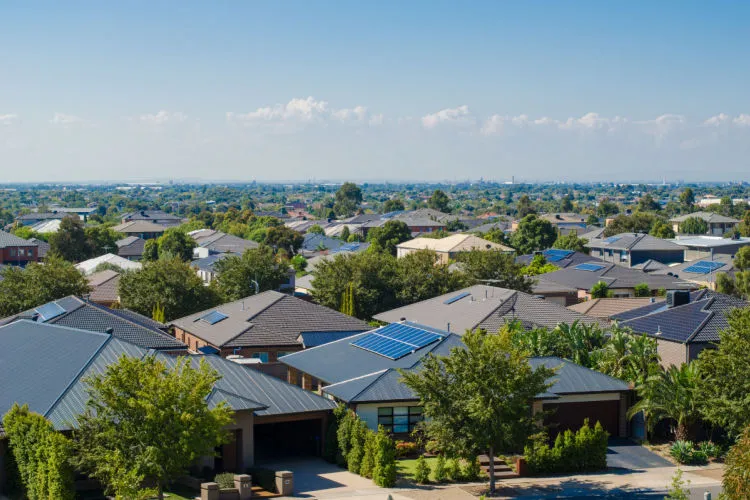





A well-maintained home not only has a better appearance but also gives a safer feeling to potential buyers. This change in mindset is what really makes a difference. Buyers are not only considering the price but also the risks involved, and with a well-maintained home, they don’t have to worry about what might go wrong first.
In a competitive market, that peace of mind can be the deciding factor between an offer and a pass. Maintenance, in this sense, isn’t just about keeping a home standing – it’s about keeping buyers interested.
Start With The Envelope
The most energy should be focused on maintaining the building envelope – windows, doors, exterior siding, and the roof. These components serve as a shield against external elements and protect the interior and its occupants.
Moisture is the primary threat to a building envelope. Any weak points can allow water infiltration into the structure, which poses various risks, such as mold growth, reduced indoor air quality, and damage to the building materials.
In particular, the roof plays a critical role in protecting the house. Regular inspections and maintenance, such as checking for loose or missing shingles and cleaning the gutters, can help extend its lifespan and prevent leaks. Additionally, proper drainage around the foundation helps avoid soil erosion and water seepage into the basement.
The Invisible Systems Matter More Than People Think
Cosmetic upgrades get all the attention, but buyers who’ve been through a deal before know to ask about the systems. HVAC service records, water heater age, dryer vent condition – these are the questions a thorough buyer asks, and they’re the details that signal whether a home has been lived in or looked after.
Flushing a water heater annually, replacing HVAC filters on schedule, and having the furnace inspected before listing might sound like background tasks. They are. That’s the point. They’re the kind of work that never shows up in listing photos but absolutely shows up when a home inspector spends three hours in your mechanical room.
When homeowners need help with these recurring tasks, finding the right person matters. Platforms like usedbylocals.com connect homeowners with vetted local contractors who handle exactly this kind of routine service work – specialists who know the systems, show up consistently, and leave a paper trail you can actually use.
Which brings up something worth building deliberately: a home history log. A folder – physical or digital – with receipts, service dates, and contractor names for every repair and inspection done over your ownership. This document costs nothing to keep and builds immediate trust with serious buyers who want evidence, not just assurances.
The Real Cost Of Skipping The Basics
A common rule of thumb among homeowners is to allocate roughly 1% of your home’s value each year to maintenance, assuming you are religious about those annual chores. If not, it’s amazing how repairs multiply. A $200 gutter cleaning that you skipped two years ago suddenly leads to a $4,000 repair job on the fascia that it was hiding under.
Granted, the 1% rule doesn’t only capture the cost of cleaning and repairing your home, it also includes money spent on maintaining the yard. While this can feel like a lot to pay out, failing to maintain the property as needed can contribute to many thousands in costs because you’re turning one easy fix into a bigger problem that results in three other pricey repairs.
It’s not as though potential buyers don’t understand this model. A home inspection that turns up six or seven issues doesn’t always just lower the sale price; it can sometimes take the home off the market or lead to further negotiations after the buyer’s inspector has turned up these problems. By keeping things maintained, you can often have less to worry about when you’re selling, and start recouping your investment earlier.
Curb Appeal Is Psychology, Not Decoration
Taking care of the outside of your home is so important because it’s the first thing potential buyers see. If your home looks nice on the outside, buyers will trust that it is just as great on the inside. Perception is reality for a buyer; if a buyer sees an unmaintained home from the outside, they assume that the inside must be the same, no matter how pristine.
Small investments go a long way here. A freshly painted front door, trimmed hedges, clean pathways, and intact fencing signal to buyers that the home has been cared for at every level. These aren’t expensive projects, but their absence is noticed immediately – and once a buyer forms a negative first impression, it’s very hard to reverse it, no matter what they find inside.
Maintenance As Wealth Preservation
Well-maintained homes appeal to buyers as well as appraisers, who won’t be influenced by larger, nearby foreclosures and short sales. Hence, home maintenance pays for itself, in potential higher offers as well as in avoiding having to potentially fork over more money in the negotiation process because of glaring problems.
Ultimately, home maintenance is less a cost than a discipline – one that protects your asset, shortens your time on the market, and gives you confidence when it matters most. The homeowners who come to the selling process with clean inspection reports, documented service histories, and a property that has been genuinely cared for are the ones who close on their terms. That outcome doesn’t happen by accident. It’s the result of consistent, unglamorous work done year after year, long before a for-sale sign ever goes up.