







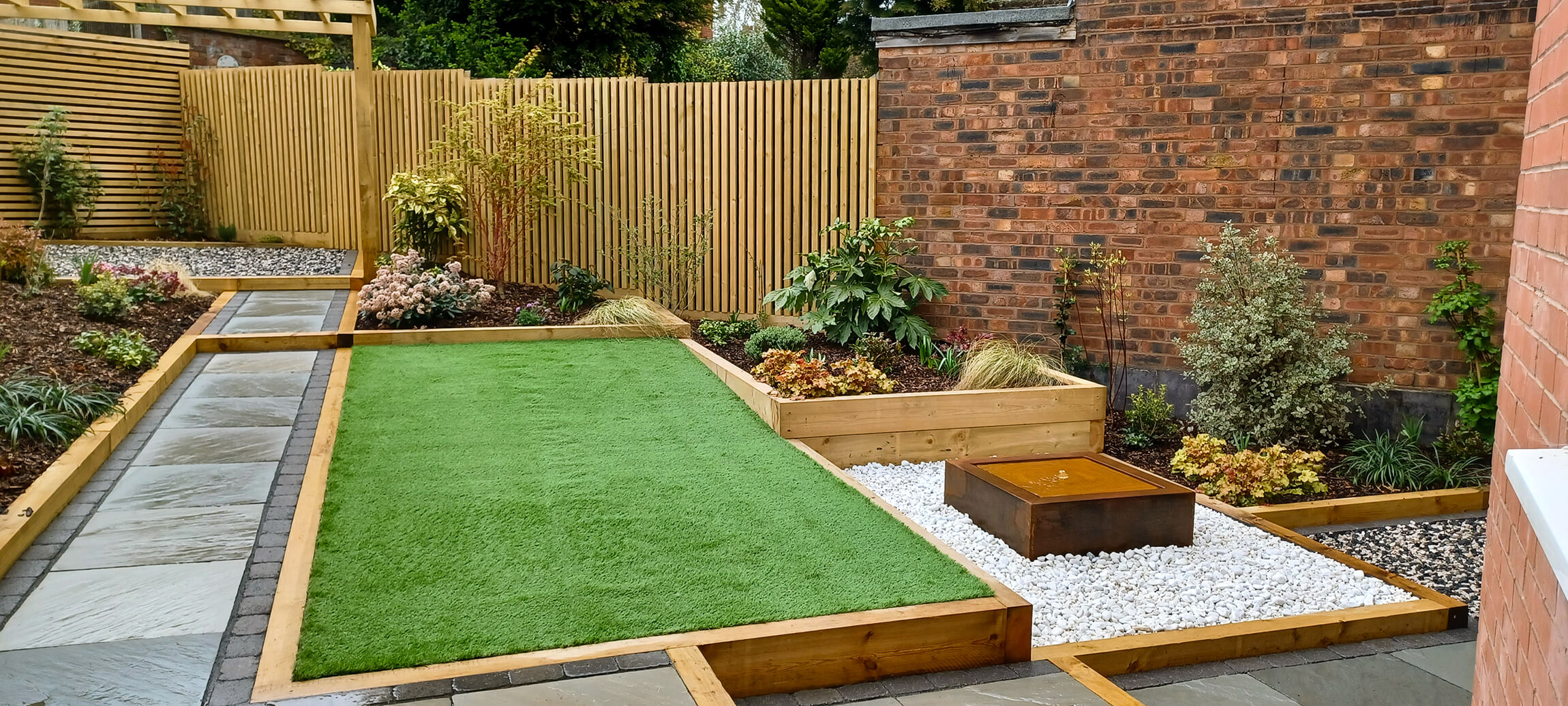
A garden that thrives without much intervention is the result of planning and sensible plant choices. Low-maintenance gardens might not be completely maintenance-free, but they do have fewer tasks associated with them than other gardens do.
Start With Plant Selection, Not Aesthetics
Time is wasted the most in the majority of gardens due to our struggle with nature. When plants are inappropriately positioned and require constant care to stay alive. The solution is simple, that is to choose the right species for the actual conditions of your garden – how much sun it receives, how water drains on your lot, and the winter low temperatures your plants will have to endure.
Native plants are the proof that this approach works. They are perfectly adapted to the circumstances in the place where they are growing. This means you don’t need to use fertilizers or excessive water as you would with exotic species.
Besides, every plant in your garden should be a perennial if possible. When compared to annuals, perennials come back every year. That means less money wasted on newer plants, and less work disturbing the roots of your established plants. Just a few evergreen plants with good structure would be an excellent addition to your garden. They need no cleaning at the start of each new season, while deciduous trees do.
Build Infrastructure That Does The Work Automatically
Investing in smart watering in your gardens is one of the smartest investments with the highest returns. Drip irrigation applies water directly to the root zone rather than broadly spraying the entire bed, which limits evaporation and also cuts off the water supply to weed seeds. Couple those drip lines to a timer that can sense the weather (they’re not expensive) and you can eliminate manual watering from your to-do list.
This isn’t just a “nice to have.” Landscape irrigation is the single largest use of residential water in the U.S., totaling almost 9 billion gallons per day. A well-set-up drip system can seriously reduce your outdoor water consumption and keep your plants in far healthier condition than overhead watering ever does.
Soil prep is the other half. Before planting, amend your soil by adding compost to improve its texture and drainage. Poor, waterlogged soil, or soil that’s too free-draining and dry will cause root stress and encourage root diseases. A healthy soil biome will let plants get a fast start and naturally fend off many problems by themselves.
Keep Pests From Treating Your Garden As A Home
A well-designed, low-maintenance garden has another advantage that doesn’t always get discussed: it’s a worse habitat for pests. Debris piles, standing water, dense untrimmed vegetation, and gaps near the foundation all create shelter for insects and rodents. A clean design with good drainage and open sightlines removes those conditions.
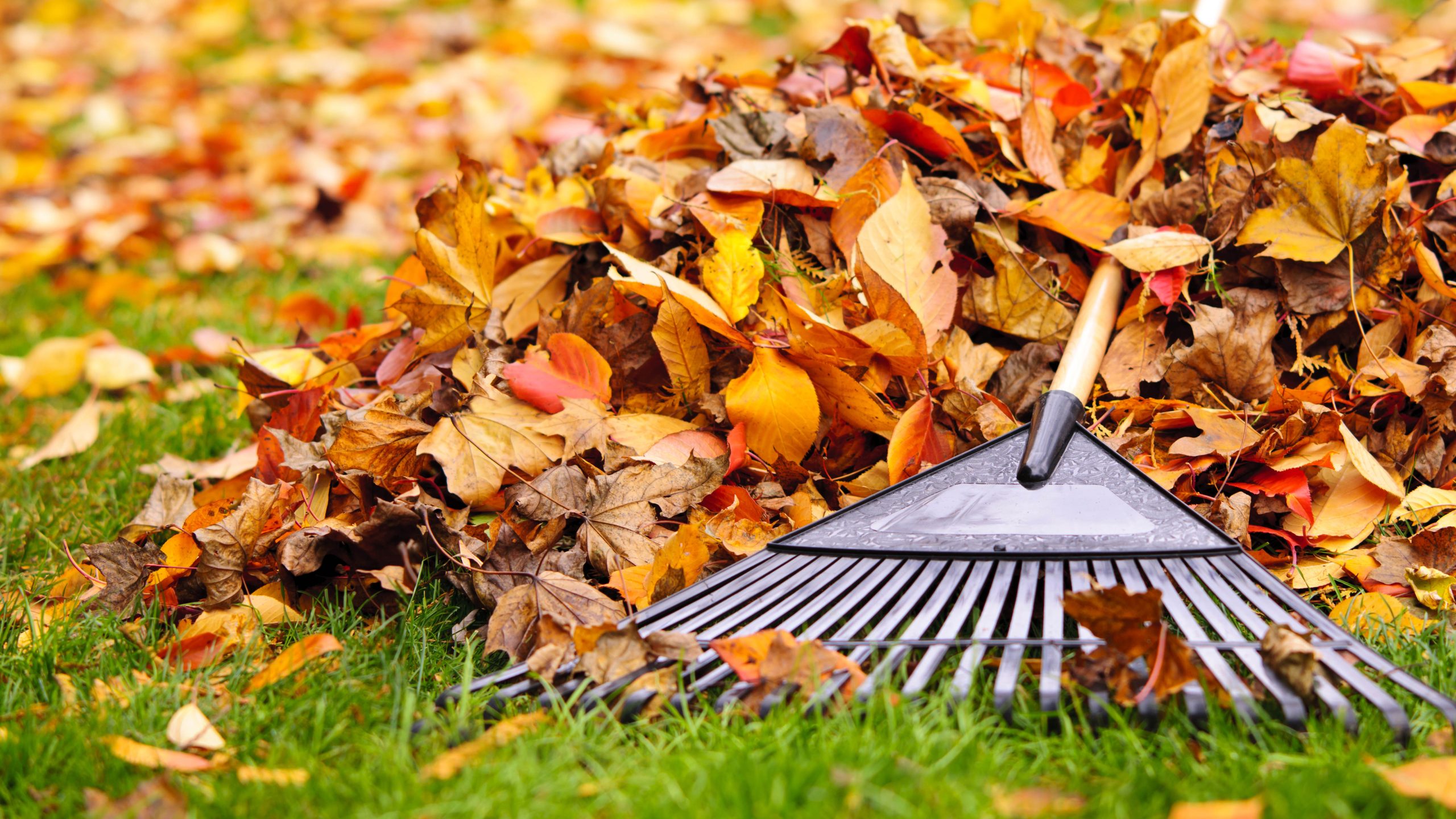
Clearing leaf litter, maintaining a gap between mulch and the home’s foundation, and eliminating any pooled water after rain are all simple preventative steps that fall under integrated pest management – the idea that reducing habitat beats treating infestations after the fact.
That said, layout alone won’t stop every regional pest species. For homeowners dealing with persistent insect pressure around the property, working with the best pest control in meridian idaho is a smarter move than escalating chemical applications on your own. A professional can identify the actual species involved and target treatment accordingly.
Use Hardscaping To Create Permanent Structure
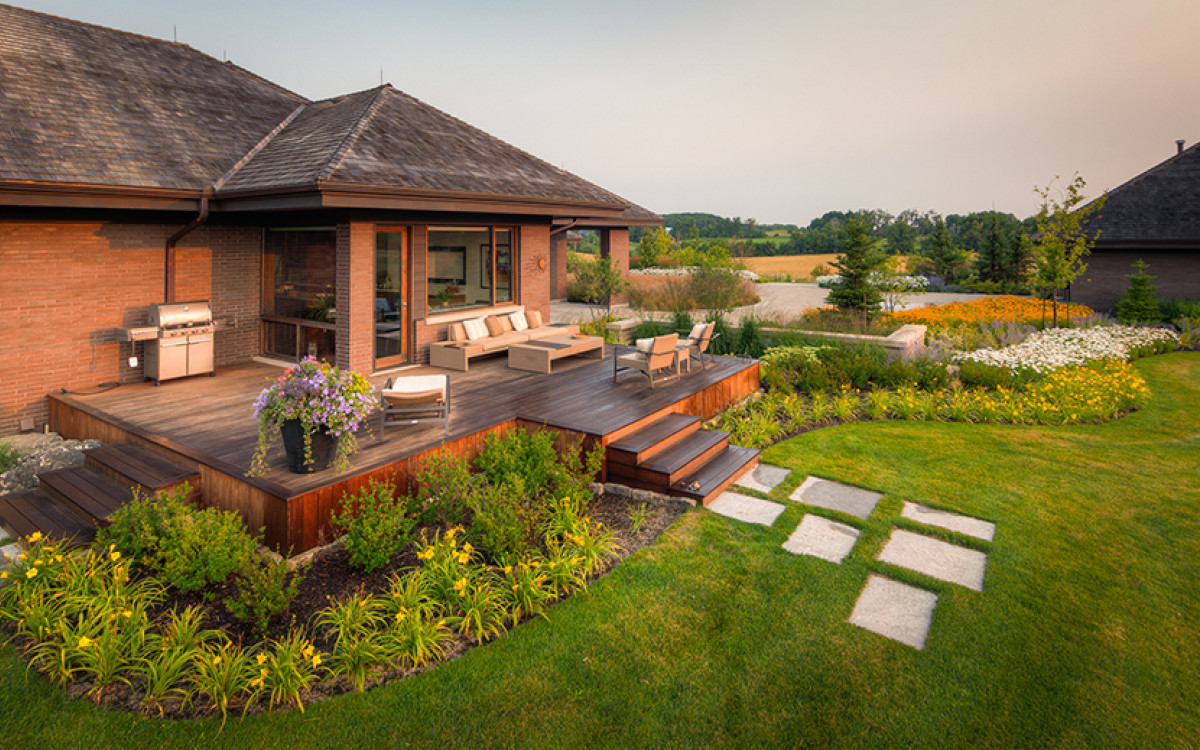
Flagstone paths, raised stone planters, and gravel beds are the sort of defining features that give a garden clean, intentional lines, showcasing the plants as the stars without becoming the prominent feature themselves.
You’ll see these kinds of hardscape lines in many beautifully maintained properties. They’re the foundation of “good bones,” which can be difficult to achieve with just plants alone.
Suppress Weeds At The Source
Most individuals tend to lose their weekends in manual weeding. An effective way is to stop germination rather than let weeds grow and then pull them out. For instance, you can lay heavy-duty landscape fabric over the soil before applying a 3-inch layer of wood chips or decorative stone. This prevents weed seeds from receiving any light and germinating in the first place.
Groundcover plants can be used with similar effects in areas where you would like a more natural appearance. Low-growing varieties will fill the space in due course and act as a living mulch to prevent weed growth. But for this to work, these plants have to be established at the earliest, before the weeds coincide with their growth phase.
Design Once, Maintain Rarely
The endgame here isn’t a garden you never set foot in – it’s a garden that looks the part with strategic design elements that don’t require endless maintenance. Native plants, hardscaping, and preventative strategies for weeds and pests all work together to reduce labor, keep things looking good, and make it obvious that your garden is the way it is on purpose, not because you’re chained to your wheelbarrow every Saturday.