



Tap. Tap again. Scroll past a men’s result you never asked for, dig through a sub-menu, and finally — buried three taps deep — there’s the women’s match you actually opened the app to find. For millions of fans, that small daily friction is the real experience of following women’s football in 2026. The crowds have arrived. The money has arrived. The apps most of us reach for have not caught up.
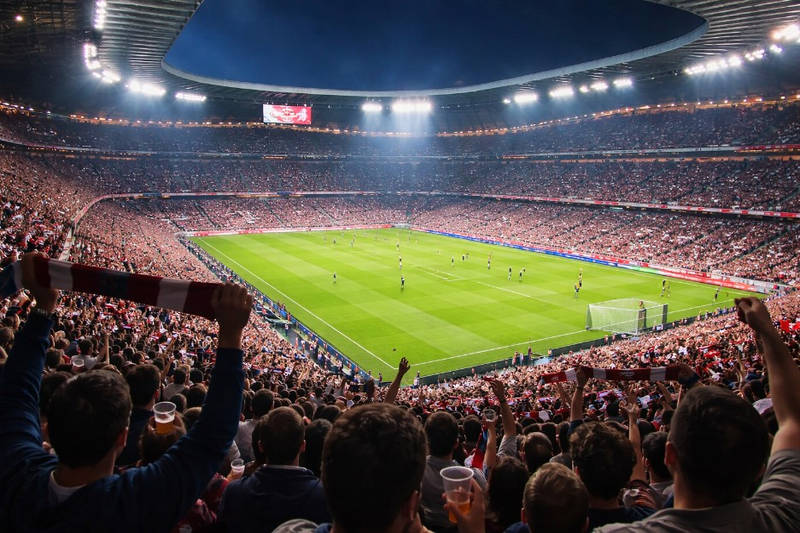
Because the numbers now leave no room for argument. In July 2025, England retained their European crown, beating Spain on penalties after a 1-1 draw. That final became the most-watched television programme in the UK all year, watched live by more than 16 million people. Across the tournament, UEFA Women’s Euro 2025 drew a record 657,291 spectators — comfortably beating the mark set at Euro 2022 — and topped 20,000 fans per match for the first time.
That surge did not arrive from nowhere. The 2023 FIFA Women’s World Cup was the best-attended in history, with nearly two million fans through the gates. And the single loudest statement came at Camp Nou, where Barcelona hosted Wolfsburg in front of 91,648 — still the world-record attendance for any women’s match.
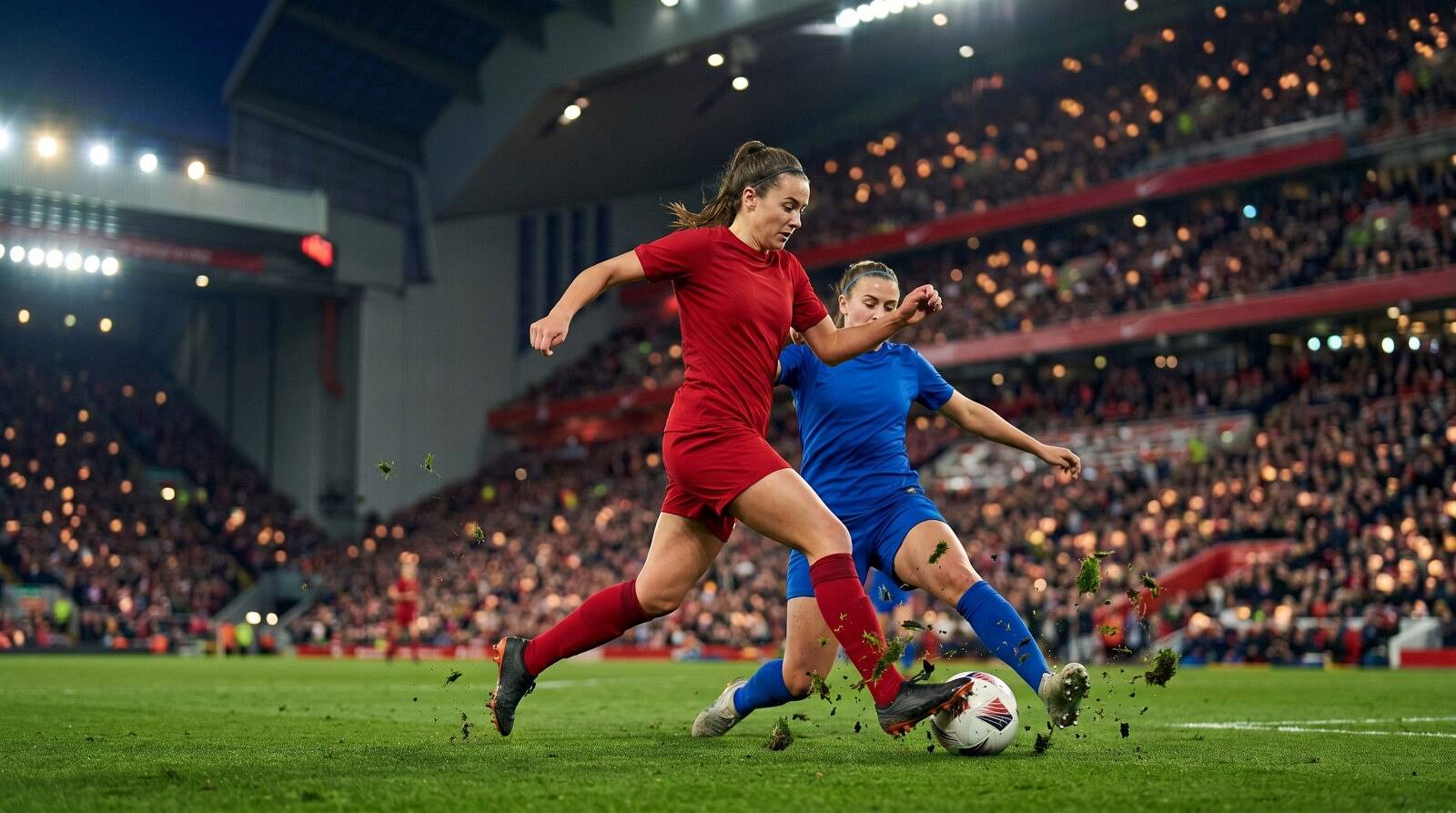
The audience, in short, is here. What has lagged behind is the everyday plumbing of being a fan — and that matters more than ever, because the women’s game now runs on an always-on calendar. Spring belongs to England, summer to America, autumn to Sweden. Follow the thread and you are never out of season.
England: the dynasty falls
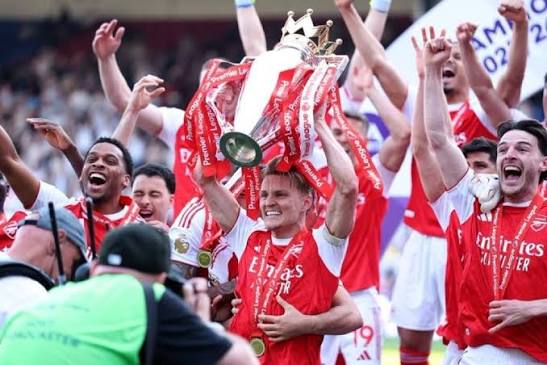
Start in spring, where the Barclays Women’s Super League has just delivered its most significant result in years. In 2025-26, Manchester City ended Chelsea’s run of six consecutive titles to win their first crown in a decade — and only their second overall. They wrapped it up with a game to spare in early May, when nearest challengers Arsenal could only draw 1-1 at Brighton, leaving City uncatchable at the top. Andrée Jeglertz, in his very first season in charge, became only the third manager to win the WSL in a debut campaign, after Arsenal’s Laura Harvey in 2011 and Chelsea’s Sonia Bompastor in 2024-25.
The individual honours told their own story. City’s Khadija ‘Bunny’ Shaw finished as top scorer with 21 goals, sealing a record third consecutive Golden Boot, while Arsenal’s Mariona Caldentey was named Player of the Season ahead of teammate Alessia Russo. Off the pitch the momentum was just as real: 56,537 packed the Emirates for Arsenal versus Chelsea, the league is now run by the independent body WSL Football under chief executive Nikki Doucet, and it expands from 12 to 14 clubs for 2026-27.
America: chaos, cash and Cinderellas
Cross the Atlantic for summer and the National Women’s Soccer League is mid-boom. The 2026 season — its 14th — kicked off in March with 16 teams, after Boston Legacy FC and Denver Summit FC came in as expansion sides; Boston announced themselves with a home-opener crowd of more than 30,200. The reigning champions are Gotham FC, who pulled off one of the great underdog stories in 2025: as the No. 8 seed, the lowest ever to lift the trophy, they beat the Washington Spirit 1-0 on a Rose Lavelle goal.
Underpinning the chaos is a four-year, $240 million media deal — the largest in the history of women’s sport, and roughly forty times the value of the league’s previous contract. The cash is reshaping the game in real time, and on any given weekend a Cinderella run is never more than one upset away.
Sweden: the post-dynasty era
Autumn belongs to Sweden’s Damallsvenskan, the historic heart of the European women’s game. Founded in 1988, it was the first women’s domestic league to turn professional, and over the decades it has been a finishing school for global icons — Marta, Hope Solo, Christen Press and Pia Sundhage all passed through it. FC Rosengård remain its most decorated club, with a record 14 titles.
But the dynasty has cracked. BK Häcken won the 2025 title, and the 2026 season has thrown up a new contender: as of late May, Hammarby IF lead the 14-team table with a perfect seven wins from seven. With the top three qualifying for the UEFA Women’s Champions League, every point carries weight — and a national team that has finished third at four different World Cups is proof of the pipeline behind it.
One home for the whole women’s game
Here is the catch. Follow all three — plus the dozens of other leagues worth a glance — and you hit the wall. The mainstream livescore apps were built men’s-first, juggling 500-plus competitions across every sport, with women’s football bolted on as a secondary layer that sits three taps deep. FotMob is the only major app offering expected goals for more than one top-five women’s league; Sofascore manages just one.
That gap is exactly what womenlivescore.com, the livescore platform built exclusively for women’s football, was built to close: more than 100 women’s leagues with live scores, line-ups, stats, standings and news, and no men’s fixtures burying the action. When the WSL hands over to the NWSL, and the NWSL to the Damallsvenskan, womenlivescore.com is the thread that runs through the whole season.
The crowds have arrived, the money has arrived and the storylines are as good as anything in sport. Your scoreboard should treat them that way too — try the platform that makes the women’s game the main event, not a sub-menu.