








Modern life moves fast. Deadlines, responsibilities, endless notifications and constant stimulation leave many people feeling disconnected from themselves. While technology has made communication easier, it has also increased stress levels and reduced opportunities for genuine self reflection. As a result, many individuals are looking for methods that help them reconnect with their inner world. One approach that has gained international recognition is Holotropic Breathwork.
People frequently search for answers to the question what is holotropic breathwork because they want to understand why this method has influenced thousands of participants around the world. Unlike traditional relaxation techniques, Holotropic Breathwork combines accelerated breathing, carefully selected music and a supportive environment to facilitate profound self exploration.
Developed by psychiatrist Stanislav Grof and Christina Grof, this approach emerged from decades of research into non ordinary states of consciousness. Today it continues to attract people interested in personal growth, emotional healing and spiritual development.
Understanding what is holotropic breathwork
When discussing what is holotropic breathwork, it is important to understand that the method is not simply a breathing exercise. It is a structured experiential process designed to help participants access deeper layers of awareness.
The term “holotropic” originates from Greek words meaning “moving toward wholeness.” This concept reflects the central aim of the practice. Rather than focusing only on symptoms or isolated experiences, the method encourages individuals to explore the broader landscape of their psyche.
During a session, participants breathe more deeply and rapidly than usual while listening to specially selected music. The combination of breath and music can facilitate experiences that may include emotional release, creative insights, symbolic imagery or a deeper connection to oneself.
Many participants report that the process feels like opening a door to aspects of themselves that are often hidden beneath everyday concerns.
Why breathing can influence consciousness
Breathing is one of the few bodily functions that operates both automatically and voluntarily. Because of this unique characteristic, it acts as a bridge between physical processes and psychological states.
Most people breathe relatively shallowly throughout the day. Stress, anxiety and sedentary lifestyles can further restrict natural breathing patterns.
Holotropic Breathwork intentionally changes the rhythm and depth of breathing. This shift may alter awareness and create opportunities for self exploration that are difficult to access through ordinary thinking alone.
Supporters of the method often describe it as a direct pathway to personal insight because it bypasses intellectual analysis and engages deeper experiential processes.
The structure of a typical session
Many newcomers searching for what is holotropic breathwork are curious about what actually happens during a workshop.
Although details may vary depending on the facilitator, sessions generally include several stages.
Preparation typically involves:
• Introduction to the process
• Safety guidelines
• Setting personal intentions
• Building trust within the group
The breathing session itself usually includes:
• Focused breathing
• Carefully selected music
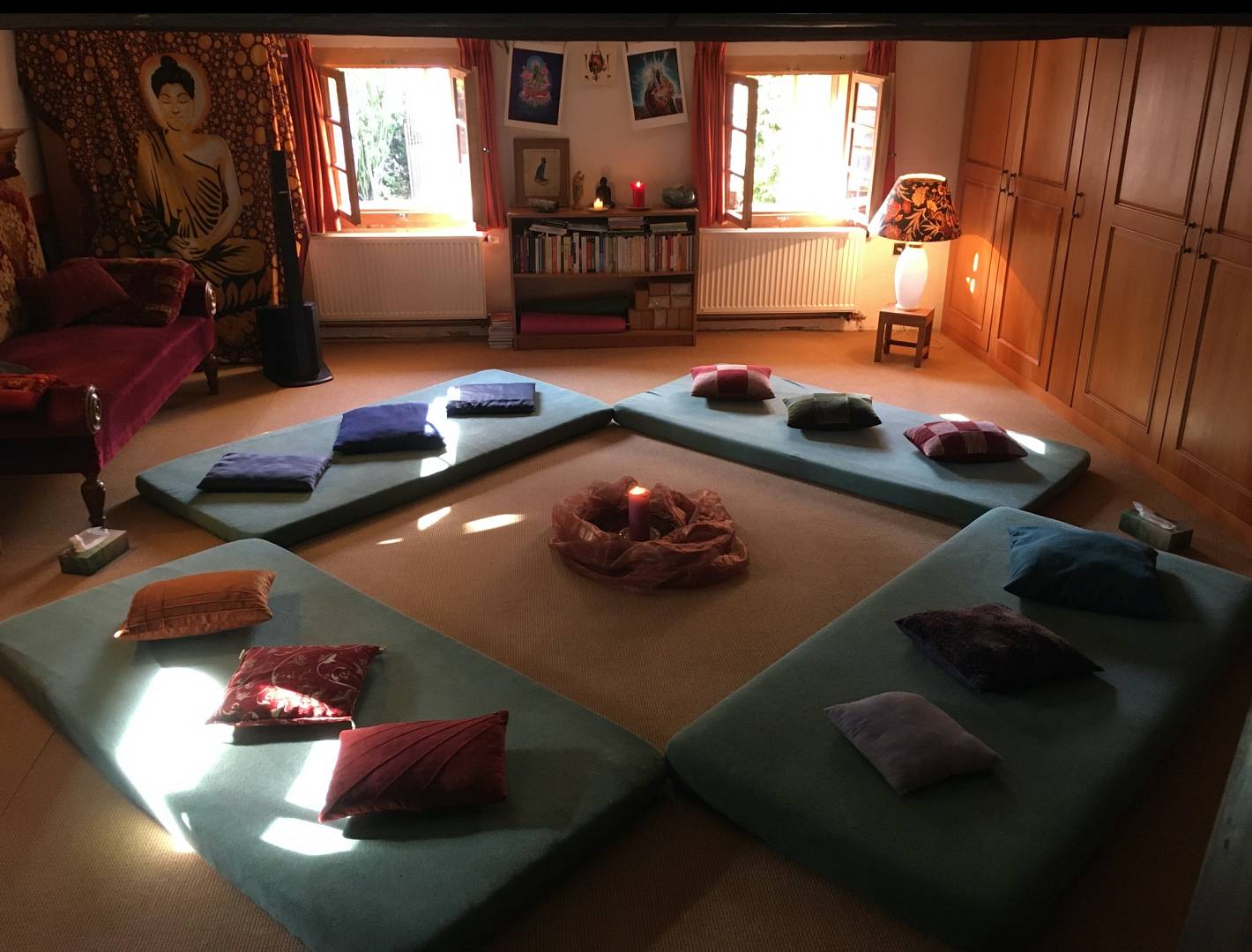
• Comfortable space for inner exploration
• Support from trained facilitators
After the breathing experience, participants often engage in creative integration activities such as drawing mandalas or sharing reflections with the group.
This integration phase helps individuals process and understand their experiences.
The role of music in Holotropic Breathwork
Music is not merely background sound during a session. It serves as an active component of the process.
Different musical sequences support different stages of the experience. Dynamic rhythms may encourage deeper engagement, while calmer pieces can facilitate reflection and integration.
Participants often report that music helps guide emotional processes and provides a supportive framework for exploration.
Combined with conscious breathing, music creates an environment that encourages immersion and self discovery.
Personal growth through non ordinary states
One reason Holotropic Breathwork continues to attract interest is its emphasis on personal transformation.
Many participants describe gaining:
• Greater self awareness
• Emotional clarity
• Increased creativity
• Improved resilience
• New perspectives on life challenges
• A stronger sense of purpose
While every experience is unique, many people find that the process allows them to view familiar situations from entirely new angles.
Sometimes insights emerge unexpectedly. At other times, participants simply experience a profound sense of connection and presence.
Exploring the idea of holotropic breathwork how-to
People frequently search for holotropic breathwork how-to because they want practical guidance. While curiosity is understandable, experienced facilitators generally recommend learning the method within a professionally supported environment.
Holotropic Breathwork was designed as a structured practice involving specific preparation, facilitation and integration procedures.
The phrase holotropic breathwork how-to often reflects a desire to understand the process. However, responsible practice emphasizes trained guidance, especially for deeper experiential work.
Professional facilitators create a safe environment where participants can fully engage with the process while receiving appropriate support if needed.
Who participates in Holotropic Breathwork workshops?
One of the most interesting aspects of Holotropic Breathwork is the diversity of participants.
Workshops often attract:
• Therapists
• Coaches
• Artists
• Business professionals
• Students
• Retirees
• Individuals interested in spirituality
Despite their different backgrounds, participants frequently share a common motivation. They want greater understanding of themselves and their lives.
Some attend out of curiosity. Others arrive during periods of transition, seeking clarity and new perspectives.
Common misconceptions
Several myths surround Holotropic Breathwork.
One misconception is that participants lose control during the process. In reality, individuals remain aware and actively engaged throughout the experience.
Another misunderstanding is that the method focuses exclusively on spirituality. While spiritual experiences can occur, many participants approach the practice primarily for personal growth and self exploration.
Others assume it is simply a relaxation technique. Although relaxation may occur, the process often involves much deeper emotional and psychological exploration.
The continuing relevance of Holotropic Breathwork
In an age dominated by screens and constant stimulation, methods that encourage introspection have become increasingly valuable.
Holotropic Breathwork offers something many people feel is missing from modern life. It creates dedicated space for self reflection, emotional awareness and meaningful personal exploration.
As interest in holistic approaches continues to grow, more individuals are asking what is holotropic breathwork and discovering a practice that has helped countless people reconnect with themselves.
Rather than offering quick fixes, the method encourages a deeper journey toward self understanding and personal growth.
FAQ
What is holotropic breathwork?
It is a structured experiential practice that combines conscious breathing, music and supportive facilitation to encourage self exploration.
Who created Holotropic Breathwork?
The method was developed by Stanislav Grof and Christina Grof.
Why do people attend Holotropic Breathwork workshops?
People often participate for personal growth, self discovery, emotional insight and spiritual exploration.
What happens during a session?
Participants engage in focused breathing, listen to music and later integrate their experiences through reflection and creative activities.
Is Holotropic Breathwork the same as meditation?
No. While both may encourage self awareness, Holotropic Breathwork uses active breathing and music as central components.
What does holotropic breathwork how-to usually refer to?
It generally refers to people seeking information about how the process works and how sessions are structured.
Can beginners participate in Holotropic Breathwork?
Yes. Many workshops welcome newcomers and provide guidance throughout the experience.
If you would like to learn more about Holotropic Breathwork, personal transformation and professionally facilitated workshops, visit https://holotropicbohemia.eu/.